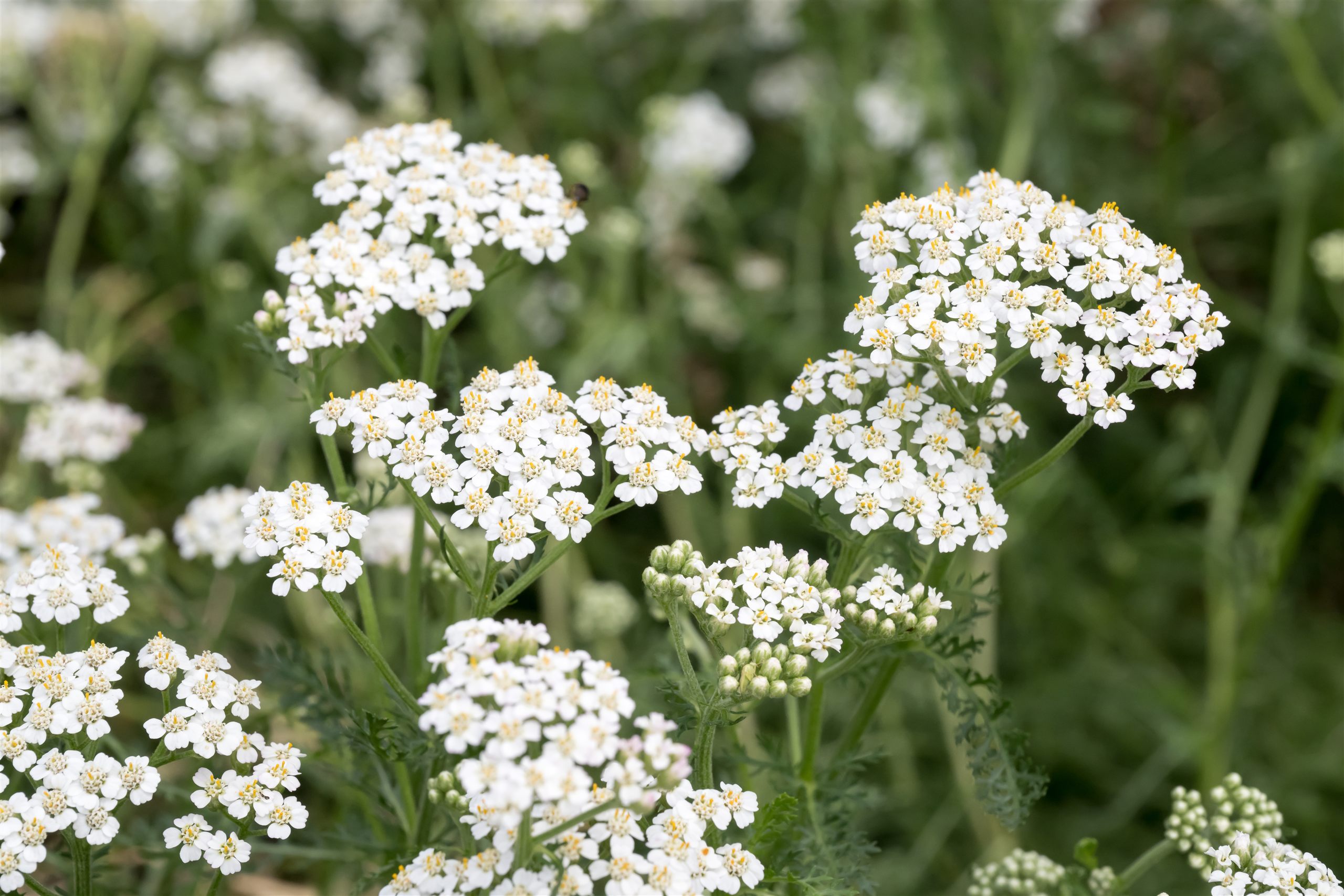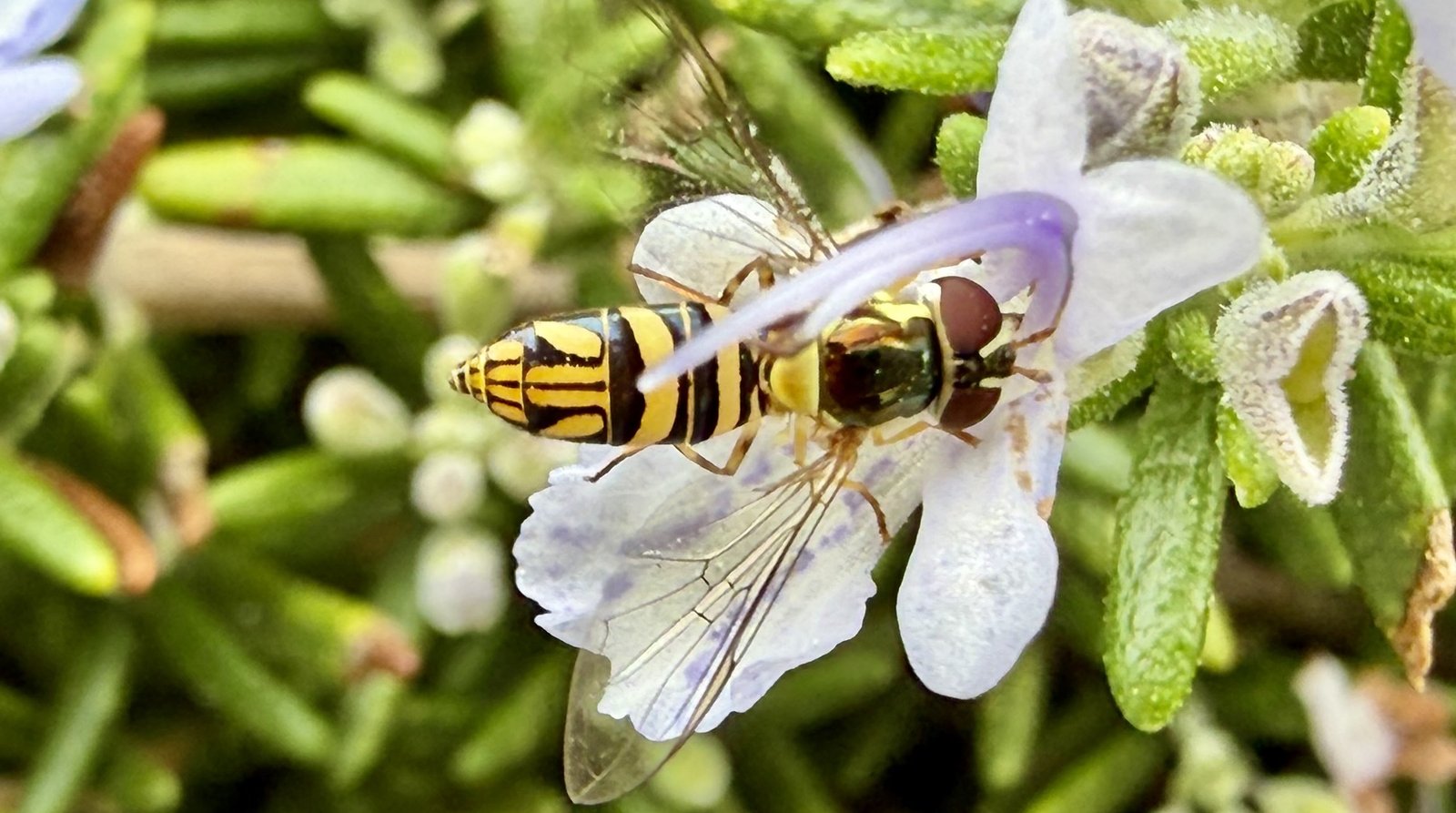
On a sunny day, watch a patch of flowers for a small insect holding itself still in the air in front of one. Many hover flies look like bees or wasps, but they're flies. This one is Allograpta obliqua, a hover fly about a quarter inch long, and its larvae hunt aphids.
Allograpta obliqua · Syrphidae · about 1/5 to 3/8 in (5.4 to 9 mm) long · larvae eat mainly aphids
The University of Florida's EDIS profile of the species says the adults are considered important cross-pollinators of some plants, and the larvae are important predators that feed mainly on aphids (Weems, 2024). When potted citrus carrying Asian citrus psyllid colonies were set out in an organic orchard in Riverside, it was the only hover fly found attacking them, and in the lab its larvae ate an estimated 421 psyllid nymphs each, on average, before pupating (Irvin et al., 2021).
§ 01What you'll see, and when
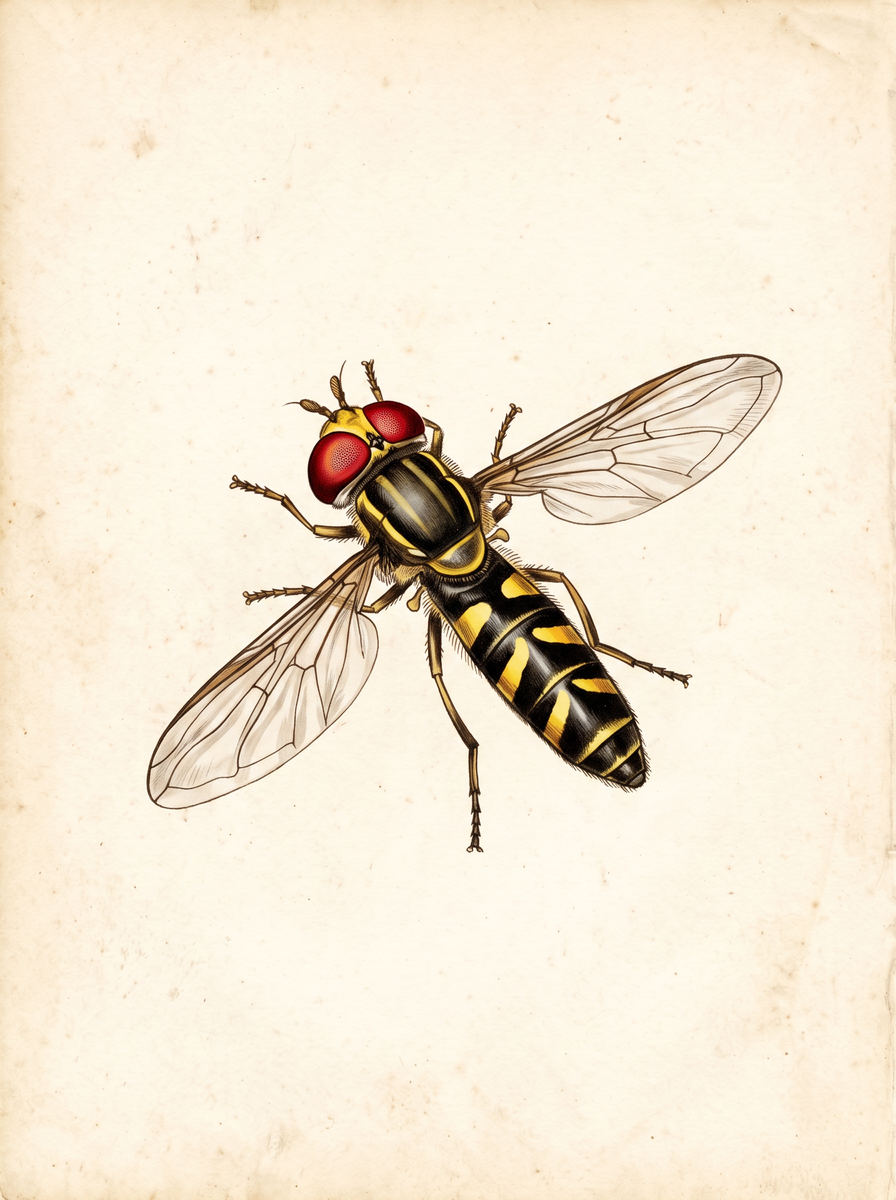
Look for a fly about a quarter inch long. EDIS gives about 1/4 in (6 to 7 mm), and Vockeroth's species account gives about 1/5 to 3/8 in (5.4 to 9.0 mm) (Weems, 2024; Vockeroth, 1992). EDIS says the species "may be recognized by the generic characters," then lists yellow stripes on the thorax, bands across the abdomen, and four oblique yellow stripes or spots on the fourth and fifth segments (Weems, 2024). The fourth segment, seen from above, is black with two narrow yellow stripes near the center and two broader oblique ones toward the sides (Vockeroth, 1992).
Then watch how it moves. EDIS notes that these flies can hover and even fly backward, something few insects outside the hover fly family manage (Weems, 2024). The wings are the other giveaway: the USDA Forest Service says flies "have only one pair of wings while bees and wasps have two pairs" (USDA Forest Service, n.d.), so a resting fly is worth a second look.
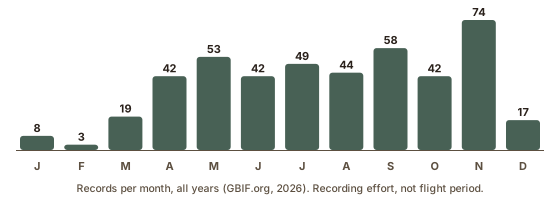
As for when: in southern California the fly can be collected in any month but is less numerous in winter (Campbell & Davidson, 1924). Judging from flies kept in captivity, adults stay fairly inactive until the sun is well up (Campbell & Davidson, 1924), so look once the sun is well up.
§ 02Male or female
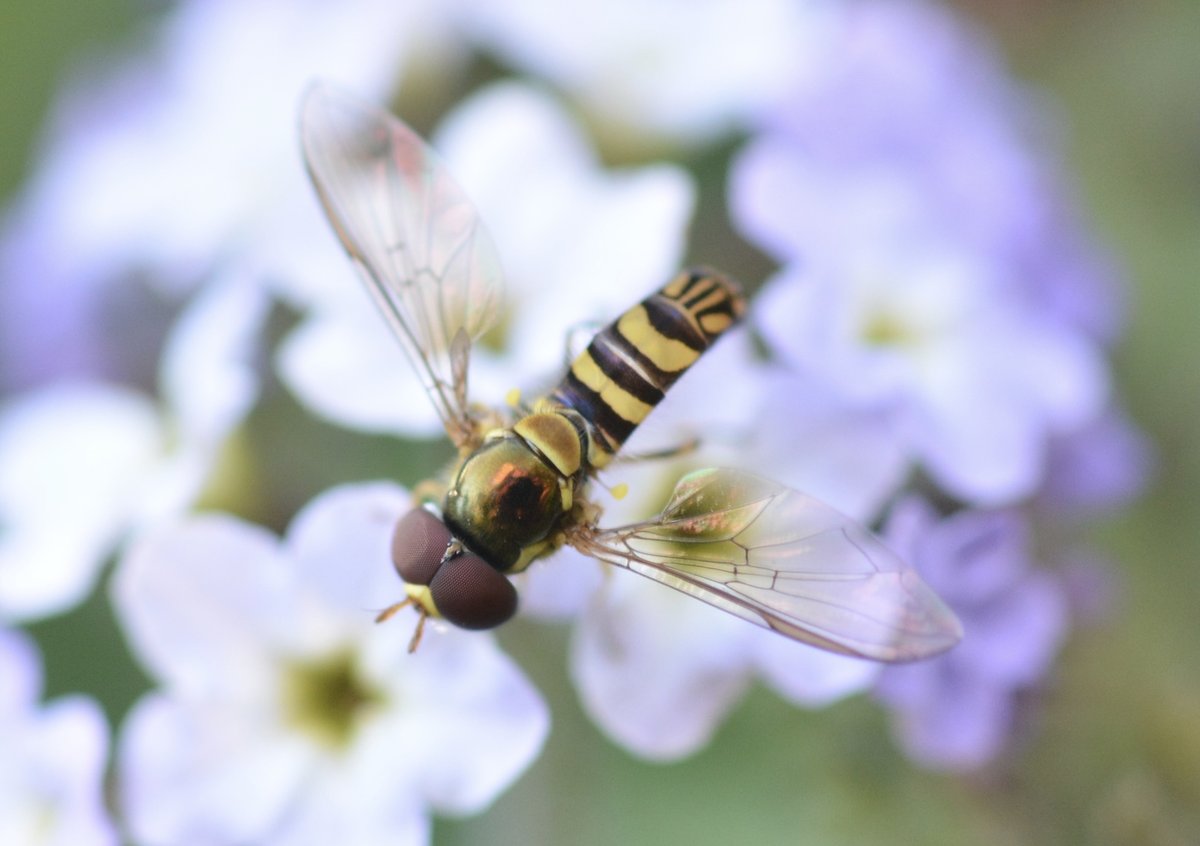
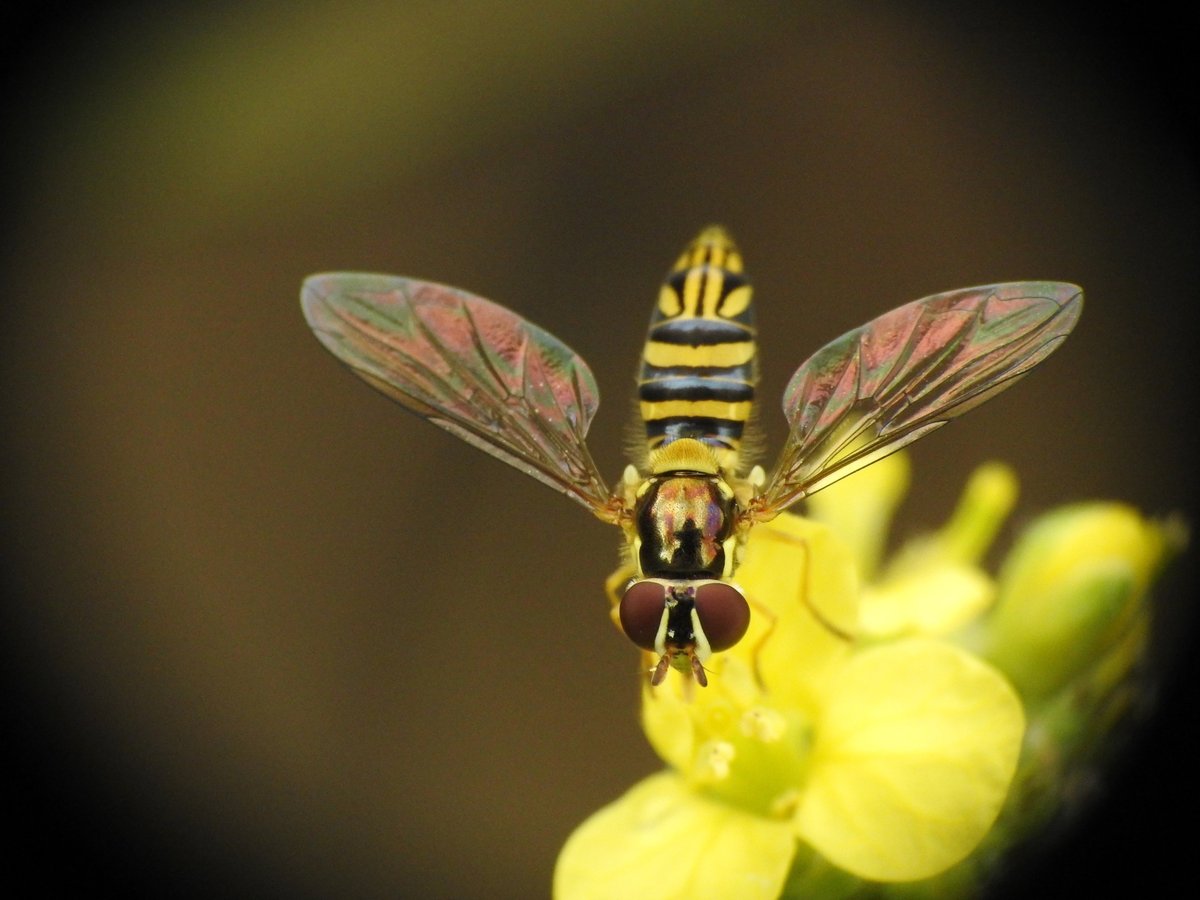
Look at the eyes. In the male they meet on top of the head; in the female they are separated (Weems, 2024). In the female, the front of the head between the eyes, the frons, is mostly black, while the male's frons is yellow (Vockeroth, 1992). Eye color helps too: bright red and large in the male, brownish red in the female (Campbell & Davidson, 1924).
§ 03The flowers its body fits
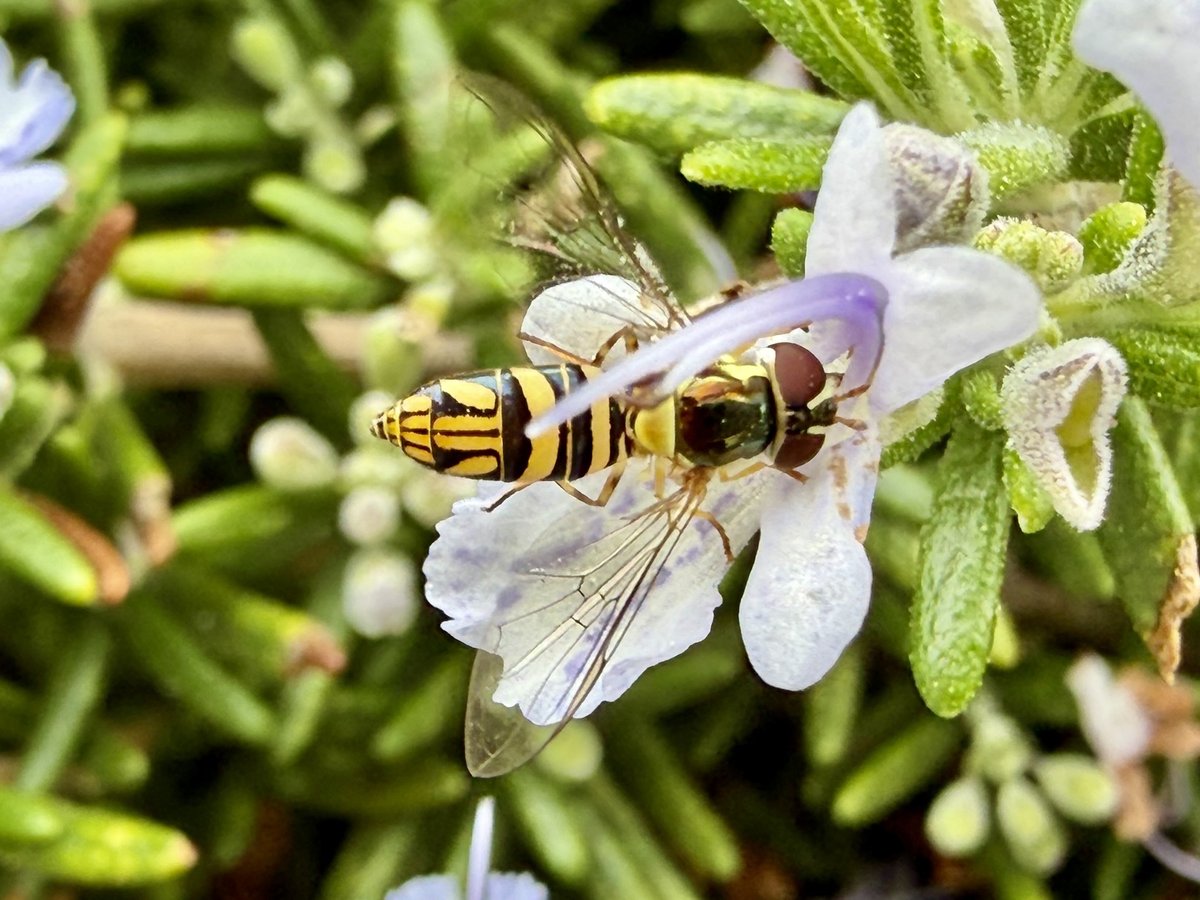
Flower flies as a group tend to prefer white and yellow blooms, and most favor open-shaped flowers because their mouthparts are short, according to the University of Maryland Extension (Yurchak, 2023). The picture isn't uniform: a USDA Forest Service page lists syrphids among the long-tongued flies that feed on the same flower types bees do (USDA Forest Service, n.d.), and a Czech study, citing earlier work, says hover flies "seem to visit mostly open bowl-shaped flowers" though some have relatively long proboscises (Klečka et al., 2018).
A field trial in Riverside tested four flowering plants on hover flies of several species; only 2% of the hover flies caught in it were A. obliqua (Irvin et al., 2021). Sweet alyssum and common buckwheat (Fagopyrum esculentum) drew far more hover flies than California poppy, which was only marginally attractive when grown alongside them, and no hover flies were seen feeding on phacelia (Irvin et al., 2021).
The authors, citing earlier work, suggest phacelia's deep corolla (its ring of petals) limits nectar use by hover flies and its blue-purple color is not preferred, though they also point to other studies in which syrphids were drawn to phacelia and ate its pollen (Irvin et al., 2021). An older southern California account says adults fed on blossoms in the field, were seen on many kinds, and readily fed on alyssum in field cages (Campbell & Davidson, 1924).
What its young need
Eggs go one at a time onto leaves or twigs that carry aphids (Weems, 2024). The larvae eat aphids, and whiteflies have also been reported as hosts (Weems, 2024). Reared in southern California, individual larvae ate from 124 to 228 aphids, and larvae could mature on as few as 57 (Campbell & Davidson, 1924). Citing an earlier study, the Riverside authors say larvae can get by on plant foods such as pollen when prey runs out (Irvin et al., 2021).
Sweet alyssum. Of the four plants compared side by side in the Riverside trial, sweet alyssum was the most attractive to hover flies, drawing about twice as many as common buckwheat, which came next (Irvin et al., 2021). It isn't a California native: Flora of North America lists it as introduced in California and widely cultivated as an ornamental (Flora of North America Editorial Committee, 2010).
Yarrow (Achillea millefolium) and California buckwheat (Eriogonum fasciculatum), for predators in general. Our advice is to plant these two for predators in general, not as hover fly plants in particular. In a two-season trial at UC Davis that grew 43 plant species side by side in one garden, yarrow had the highest estimated mean count of predatory arthropods per vacuum sample, and California buckwheat came next, about level with Clarkia williamsonii (Lundin et al., 2019). Yarrow also had one of the highest counts of plant-feeding arthropods (herbivores) in the same trial, fourth of the 43 plants (Lundin et al., 2019). The study's main results treat predators as one group, with specimens identified typically to family, and the predators it found most often were minute pirate bugs and spiders (Lundin et al., 2019).
§ 04Life cycle, and where it lives
The detailed timings come from rearing in southern California (Campbell & Davidson, 1924). There, eggs hatched in 2 to 3 days in summer and up to 8 days in midwinter. Under favorable conditions, larvae finished growing in 9 to 15 days, while in midwinter the larval stage took 16 to 21 days. The pupal stage took 8 to 10 days in summer and 18 to 33 in midwinter. From egg to adult took 19 to 25 days in summer and 42 to 62 in winter, and the authors saw indications of 6 to 8 generations a year.
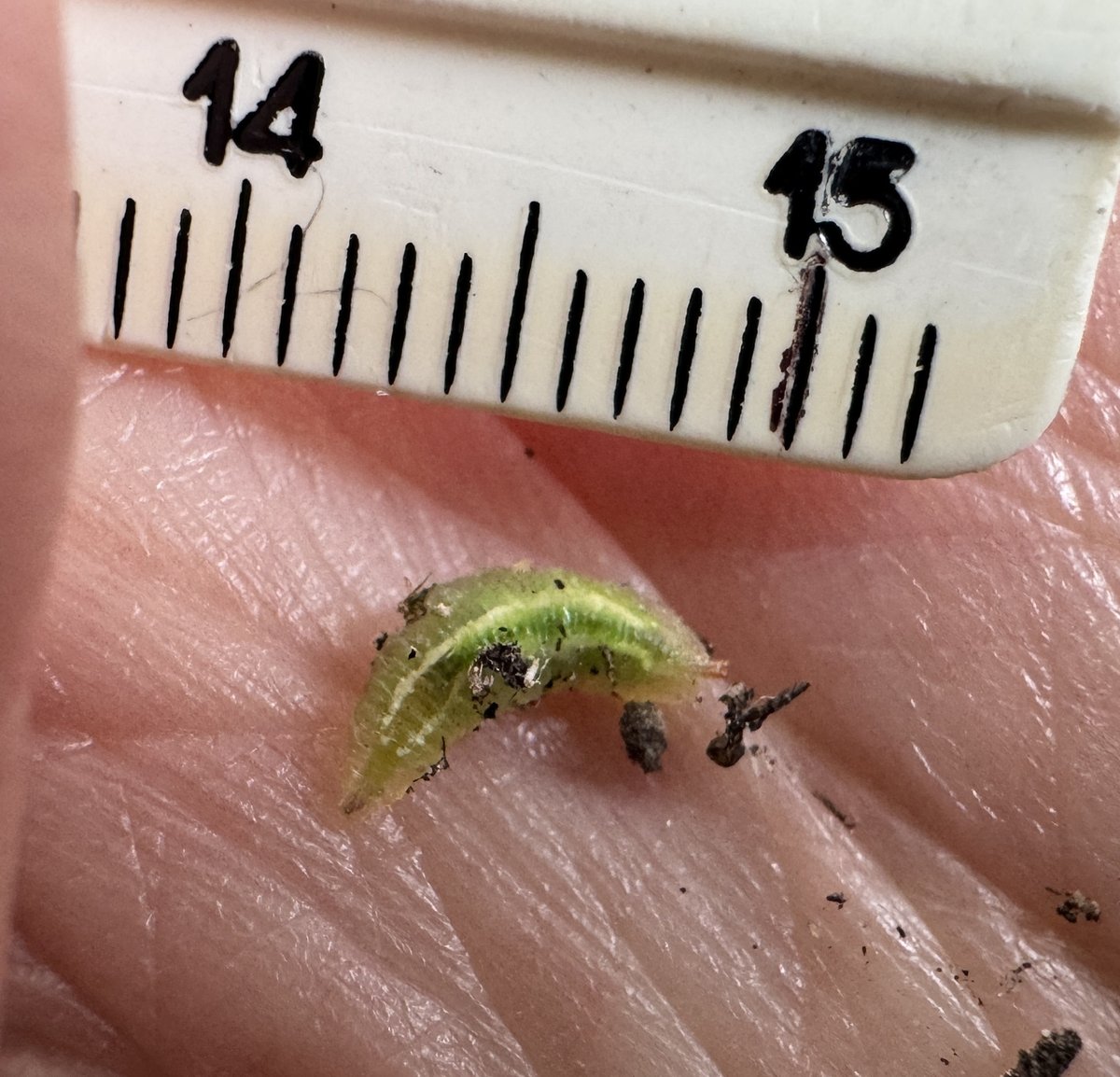
Campbell and Davidson describe the full-grown larva as about 3/8 in (10 mm) long and pea green, with a broad whitish-green stripe down the back that looks doubled in some specimens (Campbell & Davidson, 1924). On walnut trees they found it pupating mostly on the upper surface of the leaves, but also underneath, on leaf stalks and on the nuts. On melon vines, larvae gathered under the fruit at ground level to pupate, though many also pupated on the leaves (Campbell & Davidson, 1924). The new pupa is bright pea green, then darkens, with a brownish tinge, as it develops (Campbell & Davidson, 1924).
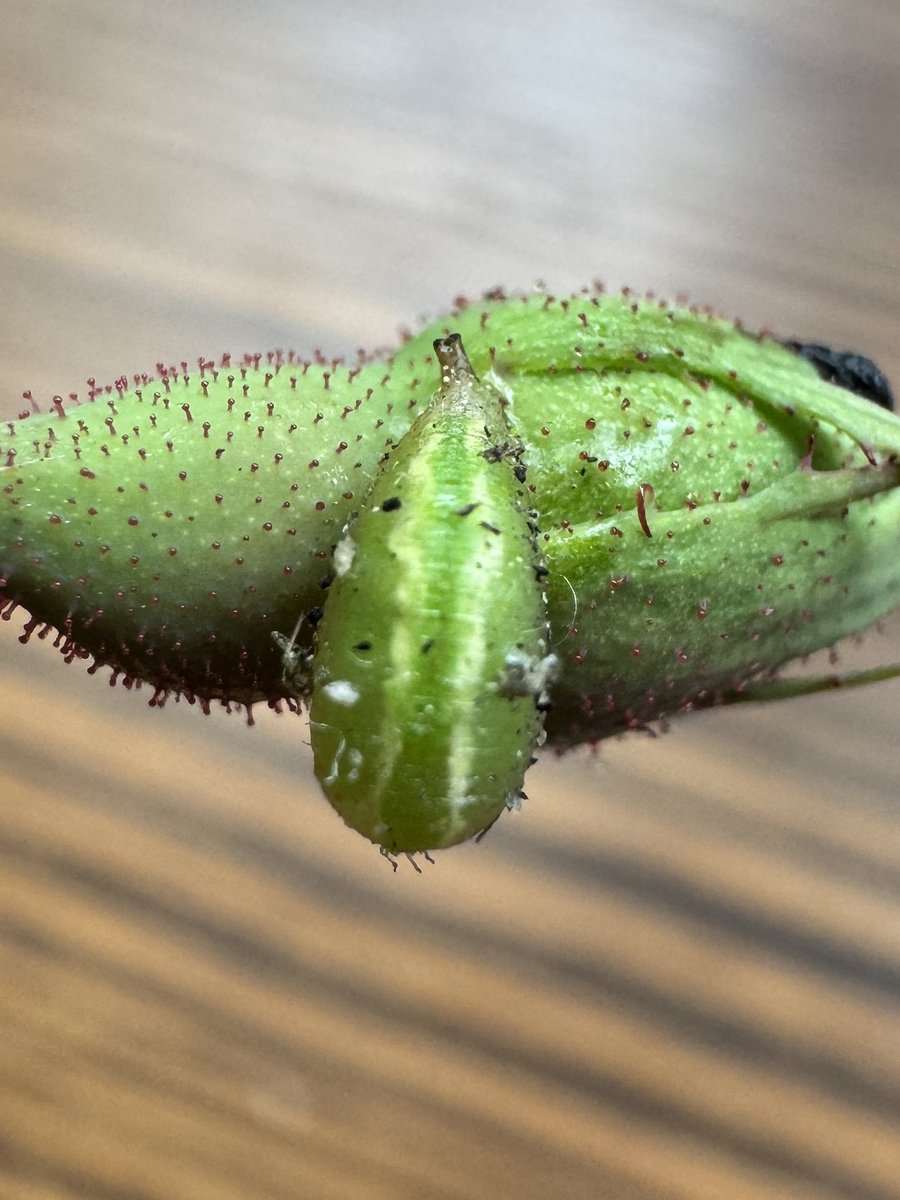
It and Eupeodes were the most abundant hover flies on grains in Los Angeles and Orange Counties (Campbell & Davidson, 1924). Farther north, Vockeroth reports its larvae all season long in the northern United States (Vockeroth, 1992).
§ 05Range, and where it has been recorded
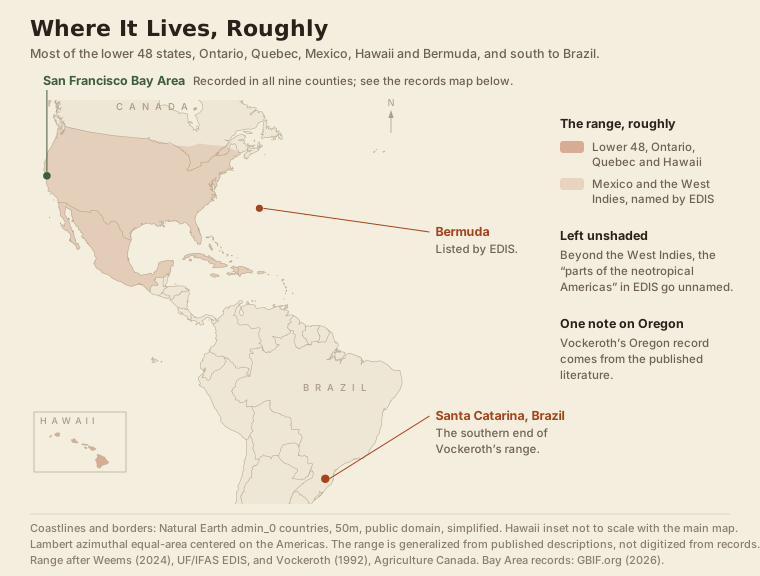
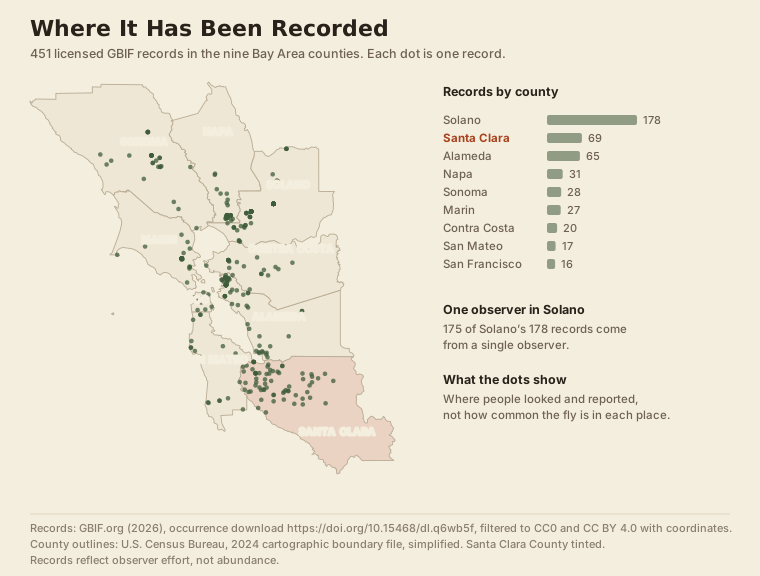
EDIS places it across most of the lower 48 states, Washington east to Maine and north into Quebec, down to California and Florida, and beyond that in Mexico, Bermuda, Hawaii and parts of the neotropics (Weems, 2024). Vockeroth's account runs from eastern Canada west to California and Oregon (the Oregon record is from the published literature), south to Florida and Brazil, and out to Hawaii (Vockeroth, 1992).
§ 06Lookalikes
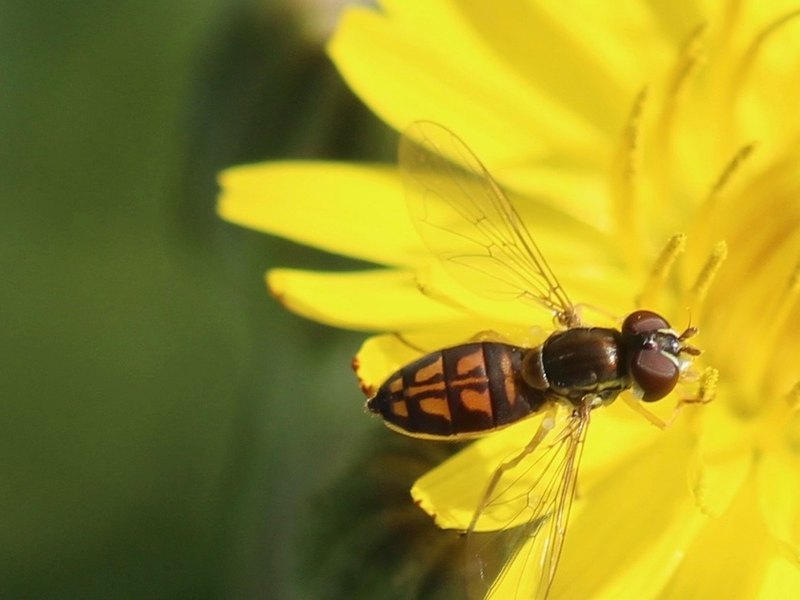
Margined calligrapher (Toxomerus marginatus)
How to tell it apart. The side margin of the abdomen is entirely, narrowly yellow (Vockeroth, 1992).
Notes. Vockeroth says reports of this species feeding on pea aphids should be verified (Vockeroth, 1992); a Southern Illinois survey, citing other work, counts it among common predators of crop pests, especially aphids (Chisausky et al., 2020).
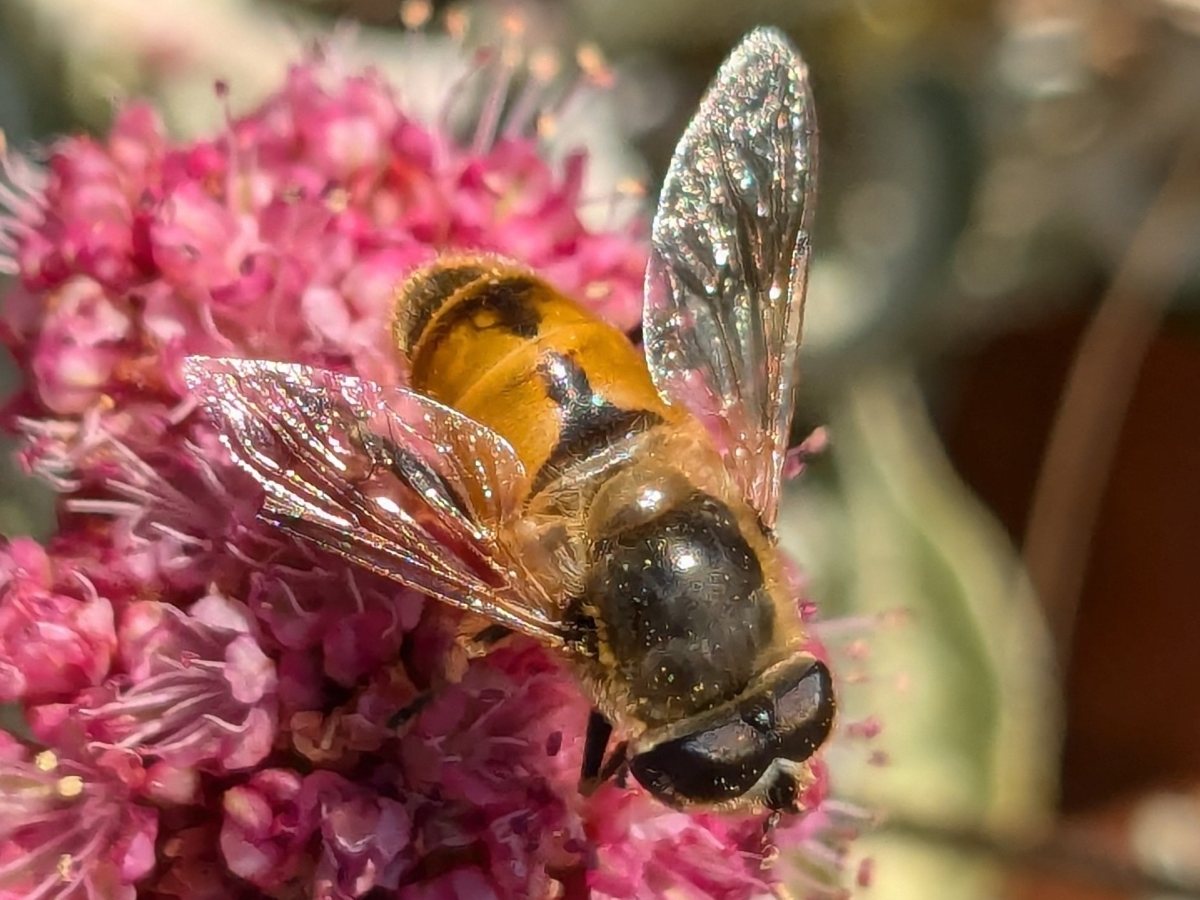
Drone fly (Eristalis tenax)
How to tell it apart. A honey bee mimic, but it lacks the bee's constricted waist and has two wings where a honey bee has four (Pfiester & Kaufman, 2009).
Notes. Introduced from Europe around 1875, per a UF/IFAS profile citing Gilbert (Pfiester & Kaufman, 2009).
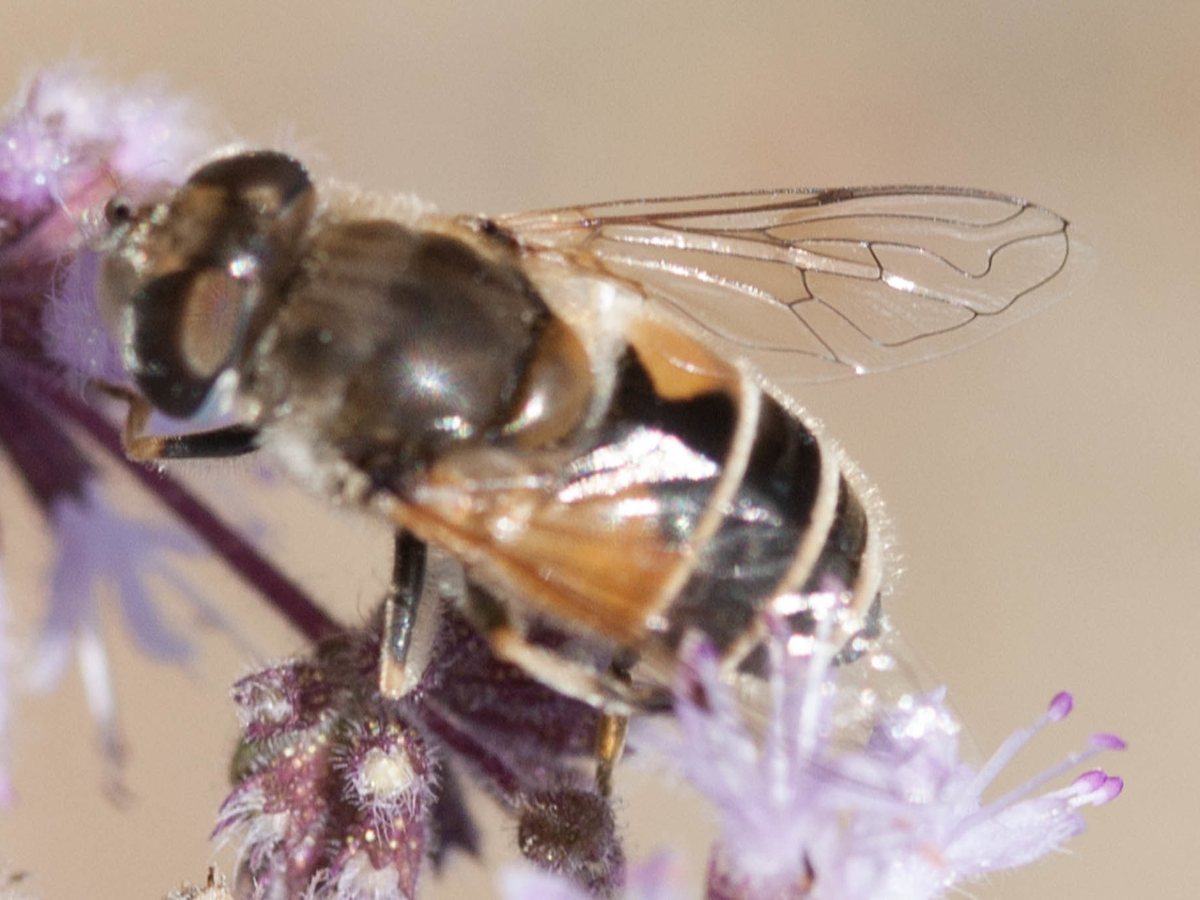
Eurasian drone fly (Eristalis arbustorum)
How to tell it apart. A smaller relative in the drone-fly group, still stocky, with a face dusted pale all over (NatureSpot, n.d.).
Notes. Listed as introduced from the Palearctic in a Southern Illinois survey (Chisausky et al., 2020).
Small bees and wasps
How to tell it apart. Two pairs of wings, not one (USDA Forest Service, n.d.).
§ 07Range in brief, and the pressures on it
Vockeroth's range reaches from eastern Canada to Oregon and California in the west and to Florida and Santa Catarina, Brazil, in the south, plus Hawaii; EDIS also lists Mexico, Bermuda and parts of the neotropical Americas (Vockeroth, 1992; Weems, 2024).
EDIS says the larvae, and occasionally the pupae, are "heavily parasitized, even exceeding 50% some years," though it gives no study or region for that figure (Weems, 2024). In one fall sample from Los Angeles and Orange Counties, 4 of 84 larvae and puparia produced parasites when reared (Campbell & Davidson, 1924). In southern California, ants occasionally carried off the larvae of aphid-eating hover flies, especially Allograpta (Campbell & Davidson, 1924).
Photo and map credits
Hero and adult at a flower: Drew Baxter, iNaturalist, CC0. Male: Cricket Raspet, iNaturalist, CC BY 4.0. Female: Andy Kleinhesselink, iNaturalist, CC0. Larva and puparium: bungelina, iNaturalist, CC BY 4.0. Lookalikes: lazarus (margined calligrapher), P Holroyd (drone fly) and Ken-ichi Ueda (Eurasian drone fly), iNaturalist, CC BY 4.0. Plate No. 01: illustration, The Planters' Guild. Maps and chart: The Planters' Guild, from GBIF.org (2026), county outlines (U.S. Census Bureau, 2024) and Natural Earth base data.
Campbell, R. E., & Davidson, W. M. (1924). Notes on aphidophagous Syrphidae of southern California. Bulletin of the Southern California Academy of Sciences, 23, 3–9, 59–71. Retrieved October 1, 2026, from https://archive.org/details/bulletinofsouthe2224sout
Chisausky, J. L., Soley, N. M., Kassim, L., Bryan, C. J., Miranda, G. F. G., Gage, K. L., & Sipes, S. D. (2020). Syrphidae of Southern Illinois: Diversity, floral associations, and preliminary assessment of their efficacy as pollinators. Biodiversity Data Journal, 8, e57331. https://doi.org/10.3897/BDJ.8.e57331
Flora of North America Editorial Committee. (2010). Lobularia maritima. In Flora of North America North of Mexico (Vol. 7). Retrieved October 4, 2026, from http://www.efloras.org/florataxon.aspx?flora_id=1&taxon_id=200009594
GBIF.org. (2026, October 4). GBIF occurrence download [Data set]. https://doi.org/10.15468/dl.q6wb5f
Irvin, N. A., Pierce, C., & Hoddle, M. S. (2021). Evaluating the potential of flowering plants for enhancing predatory hoverflies (Syrphidae) for biological control of Diaphorina citri (Liviidae) in California. Biological Control, 157, 104574. https://doi.org/10.1016/j.biocontrol.2021.104574 (University of California authors; flagged under the Guild’s source policy.)
Klečka, J., Hadrava, J., Biella, P., & Akter, A. (2018). Flower visitation by hoverflies (Diptera: Syrphidae) in a temperate plant-pollinator network. PeerJ, 6, e6025. https://doi.org/10.7717/peerj.6025
Lundin, O., Ward, K. L., & Williams, N. M. (2019). Identifying native plants for coordinated habitat management of arthropod pollinators, herbivores and natural enemies. Journal of Applied Ecology, 56(3), 665–676. https://doi.org/10.1111/1365-2664.13304 (University of California authors and trial site; flagged under the Guild’s source policy.)
NatureSpot. (n.d.). Eristalis arbustorum. Retrieved October 1, 2026, from https://www.naturespot.org.uk/species/eristalis-arbustorum
Pfiester, M., & Kaufman, P. E. (2009). Drone fly, rat-tailed maggot, Eristalis tenax (Linnaeus) (Insecta: Diptera: Syrphidae) (EENY-445). EDIS, UF/IFAS Extension. https://journals.flvc.org/edis/article/view/117788
U.S. Census Bureau. (2024). Cartographic boundary files: Counties, 1:500,000 (cb_2024_us_county_500k) [Data set]. https://www.census.gov/geographies/mapping-files/time-series/geo/carto-boundary-file.html
USDA Forest Service. (n.d.). Fly pollination. Celebrating Wildflowers. Retrieved October 1, 2026, from https://www.fs.usda.gov/wildflowers/pollinators/animals/flies.shtml
Vockeroth, J. R. (1992). The flower flies of the subfamily Syrphinae of Canada, Alaska, and Greenland (Diptera: Syrphidae) (The Insects and Arachnids of Canada, Part 18; Publication 1867). Agriculture Canada. https://publications.gc.ca/site/eng/9.811395/publication.html
Weems, H. V. (2024). A hover fly, Allograpta obliqua (Say) (Insecta: Diptera: Syrphidae) (EENY185). EDIS, UF/IFAS Extension. https://edis.ifas.ufl.edu/publication/IN342 (Original work published 2004)
Yurchak, V. (2023). Flower fly. University of Maryland Extension. https://extension.umd.edu/resource/flower-fly