Issue 04 · October 2026
Issue 04 — October 2026
October in the Bay Area, when the job is choosing your natives and waiting for the rain to plant them. Plus the Apprenticeship opens with four modules, and the Pollinator Library's first two field-guide plates.
Editor's note
This one's a week past the first Monday, and there's a lot in it.
The big news first. The Apprenticeship is open. It's a free, ten-module course in growing plants in containers, and the first four modules are up: how a plant works, reading light, watering properly, and what substrate actually is. Short lessons, a quick check at the end of each, and no account needed to start.
The other thing that happened since September is quieter, and over time it may matter more. We've been going back through our own guides and checking every claim in them against its sources again. Where the research has moved on, or where we couldn't find solid research behind a recommendation, the writing changed. There's more on that below.
October here is a waiting month that looks like a planting month. The days are still warm, the rain mostly hasn't come, and the most useful thing you can do for a fall native planting is have the plants picked out before the first real storm.
If anything in here is useful, or there's something you wish I'd covered, just reply. I read every one.
Have the plants picked out before the first real storm.
This month in your garden
Bay Area, October. Six things worth your attention.
1. Choose your natives now, and plant them with the rain. The California Native Plant Society (CNPS) calls fall the best time to plant natives, pointing to "cooler temperatures and the promise of winter rains" (Franco, 2024). So October is for choosing and buying, and the planting follows the first real rain. If you'd rather get them in the ground now, plan on hand-watering them until the storms take over. Why Fall Planting Works has the longer case.
2. Keep watering until the rain actually shows up. Cooler air makes it easy to ease off, but the median October rainfall at San Jose's weather stations is well under half an inch (National Oceanic and Atmospheric Administration [NOAA], n.d.). That's our reading of the climate normals rather than a rule from a study: until the storms arrive, outdoor beds and containers still depend on you.
3. Hold off on the frost cloth. At San Jose's airport station, a freezing night (32°F, 0°C) before December is unlikely, and in about one winter in four it never comes at all (NOAA, n.d.). South county runs colder. In Gilroy a freeze becomes a real possibility from late November.
4. If garlic is on your list, skip the fridge. You'll see advice to chill cloves before planting. Garlic does need cold before it forms a bulb, but in a Chilean study the cold worked whether the cloves got it in storage or in the ground after planting (del Pozo & González, 2005). Every plant in that study bulbed after storage at 39 or 45°F (4 or 7°C), and San Jose's normal winter lows sit in the low 40s°F (about 5 to 7°C) (NOAA, n.d.). Our read: here, the ground supplies the cold.
5. Pick intermediate-day onions. Onions start forming a bulb once the days reach a certain length. Short-day types are usually grown south of 35 degrees latitude, and long-day types may not bulb well further south (Bumgarner, 2020). San Jose sits at about 37 degrees, between the two, which puts us in intermediate-day territory.
6. Water the houseplants coming back inside less often. If you started moving your summer-outdoor houseplants in last month, this is the back half of that move. Once they're indoors in lower light, the time between waterings will stretch (Steil, 2025). If you want a number for how much light a new spot actually gets, our new Grow-Light Calculator works it out from a light meter reading. A surface that stays wet is exactly what fungus gnat larvae want, and Colorado State's first advice is to let the top 1 to 2 inches dry between waterings (Cranshaw & Cloyd, 2003). Our fungus gnat dossier has just been through a full review, and it covers what to add if drying alone doesn't do it.
From the Guild this month
Six from the site: the Apprenticeship, the newest Pollinator Library plate, two new California natives, a myth, and a bed-prep guide timed to the rains.
The Apprenticeship · Modules I to IV
The Apprenticeship Is Open
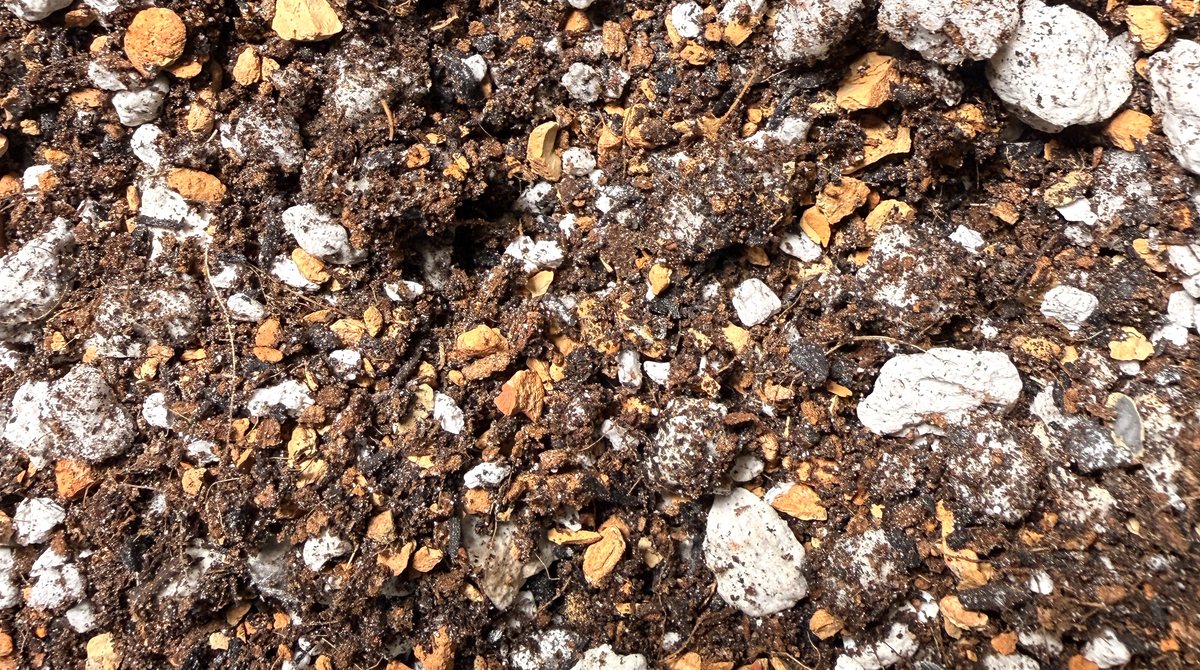
A free, ten-module course in growing plants in containers. Four modules are up: how a plant works, reading light, watering properly, and what substrate actually is. Every lesson ends with a short check, and you don't need an account to start.
Start Module I →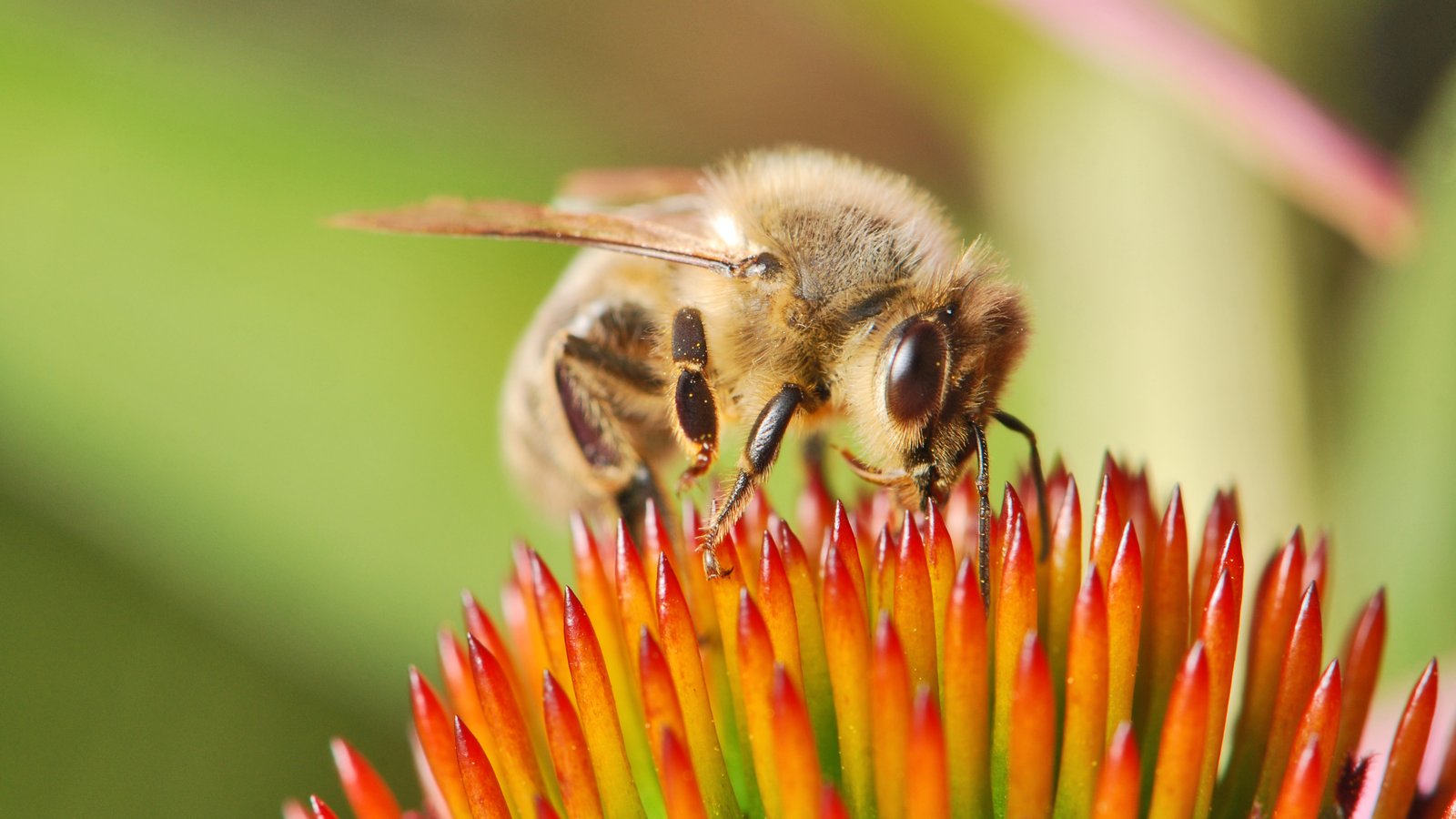
The Pollinator Library · Plate No. 02
The Honey Bee
The most familiar bee in the garden is a newcomer here, brought over from the Old World. How to tell a worker from a drone, what to do about a swarm, and what the research says about honey bees and the native bees they share flowers with.
Read the plate →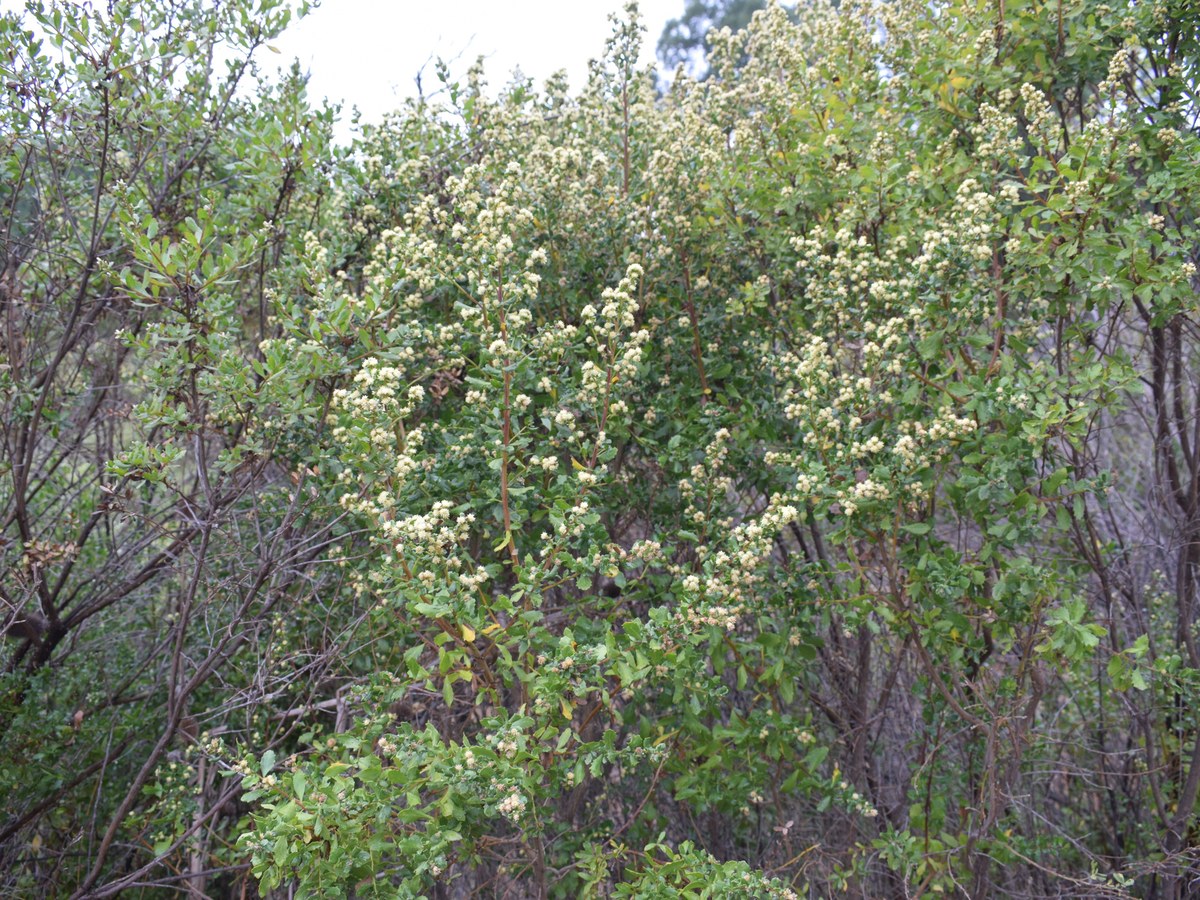
California Natives · No. 14 · Season Two
Coyote Brush: The Shrub You've Walked Past Ten Thousand Times
The most ordinary shrub on a Bay Area hillside is two different plants sold under one name, and the low groundcover form is almost always a male clone that will never set seed.
Read the entry →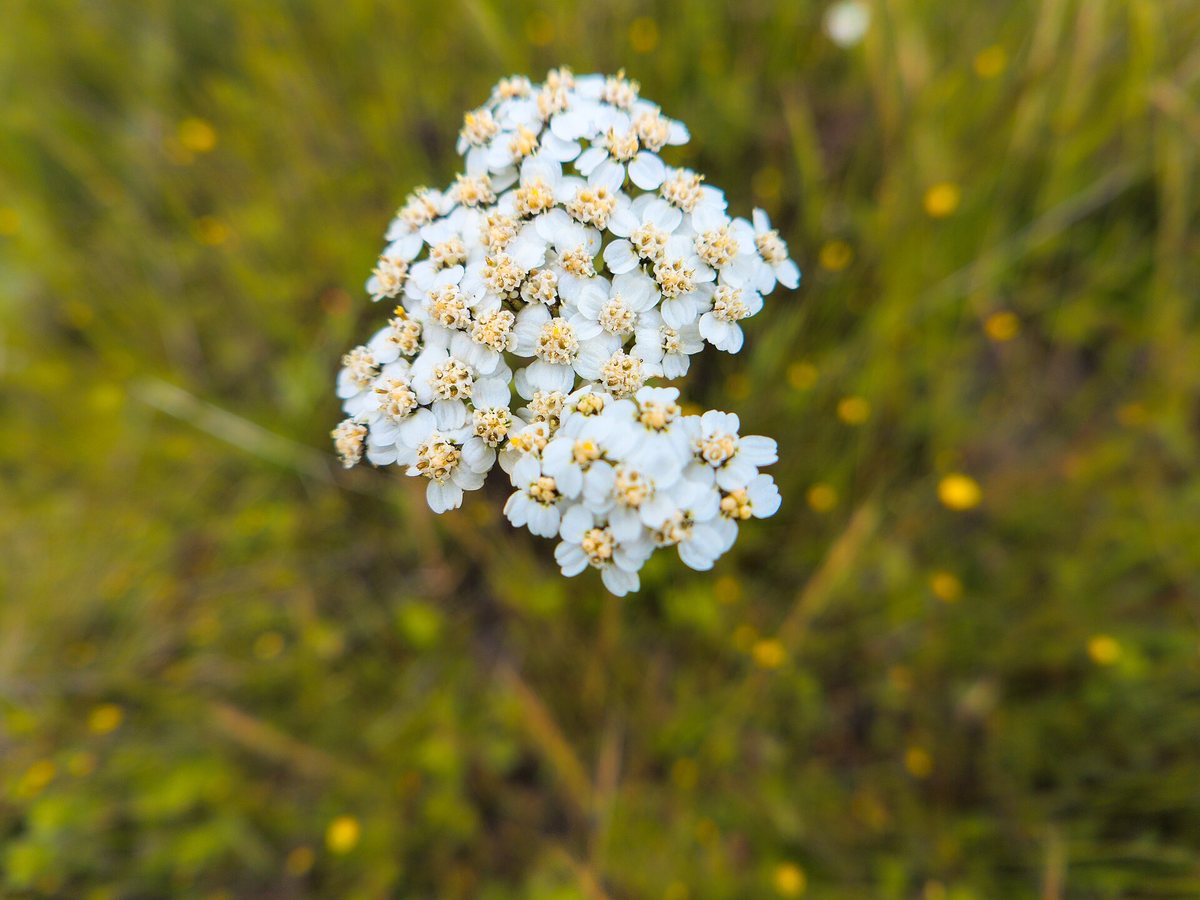
California Natives · No. 15 · Season Two
Yarrow: Nobody Quite Agrees What You're Buying
The easiest plant in the native aisle and the hardest to buy knowingly. Three major authorities classify it three different ways, and choosing the wild type over a cultivar turns out to matter to bees.
Read the entry →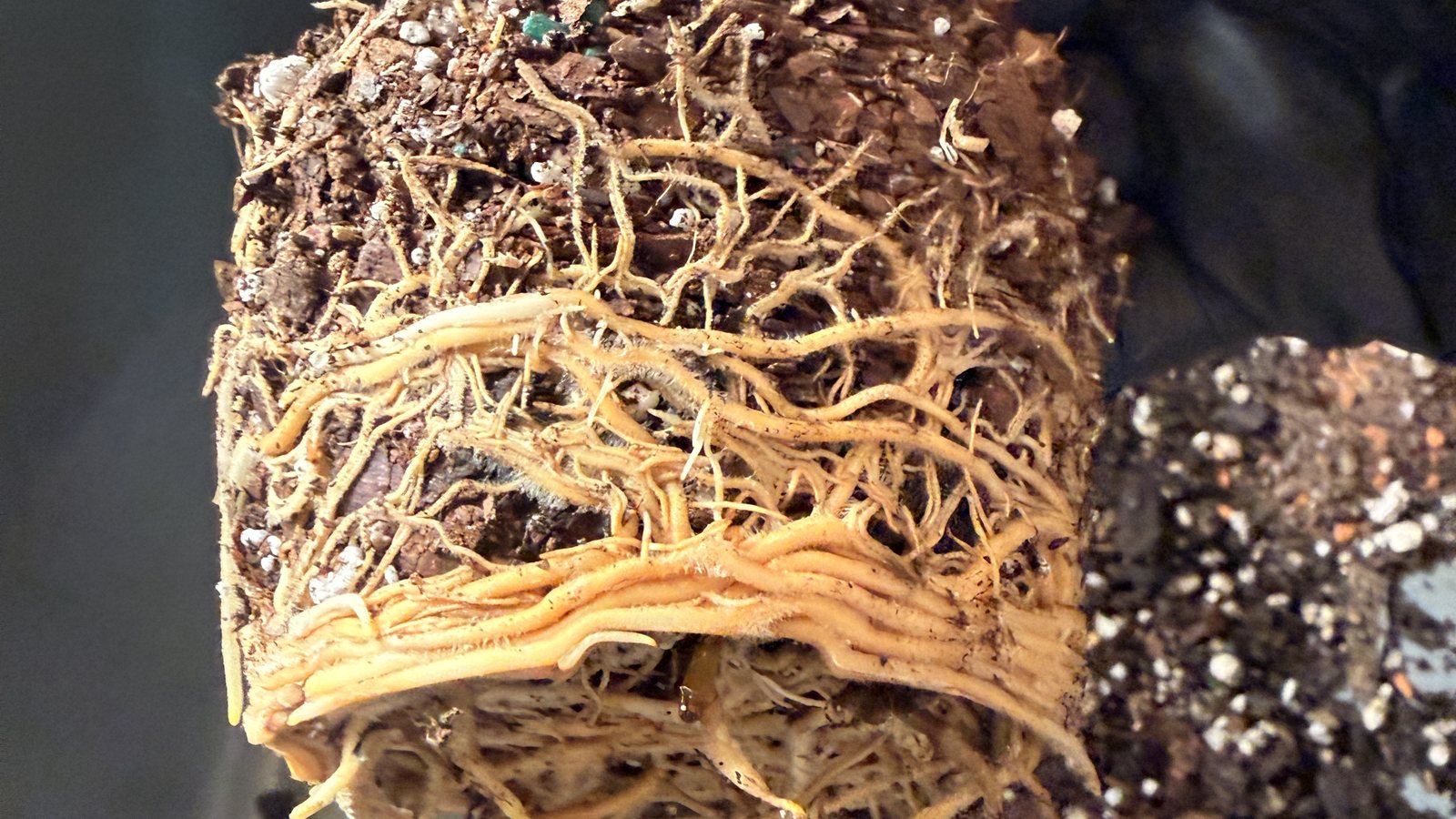
Myths Demystified · No. 08
Do mycorrhizal products help your houseplants?
The root fungi are real and useful to many plants. The products sold to add them are another story: independent tests keep finding few live fungi, and none of seven home-garden products in a recent greenhouse test produced root colonization the researchers could see.
Read the myth →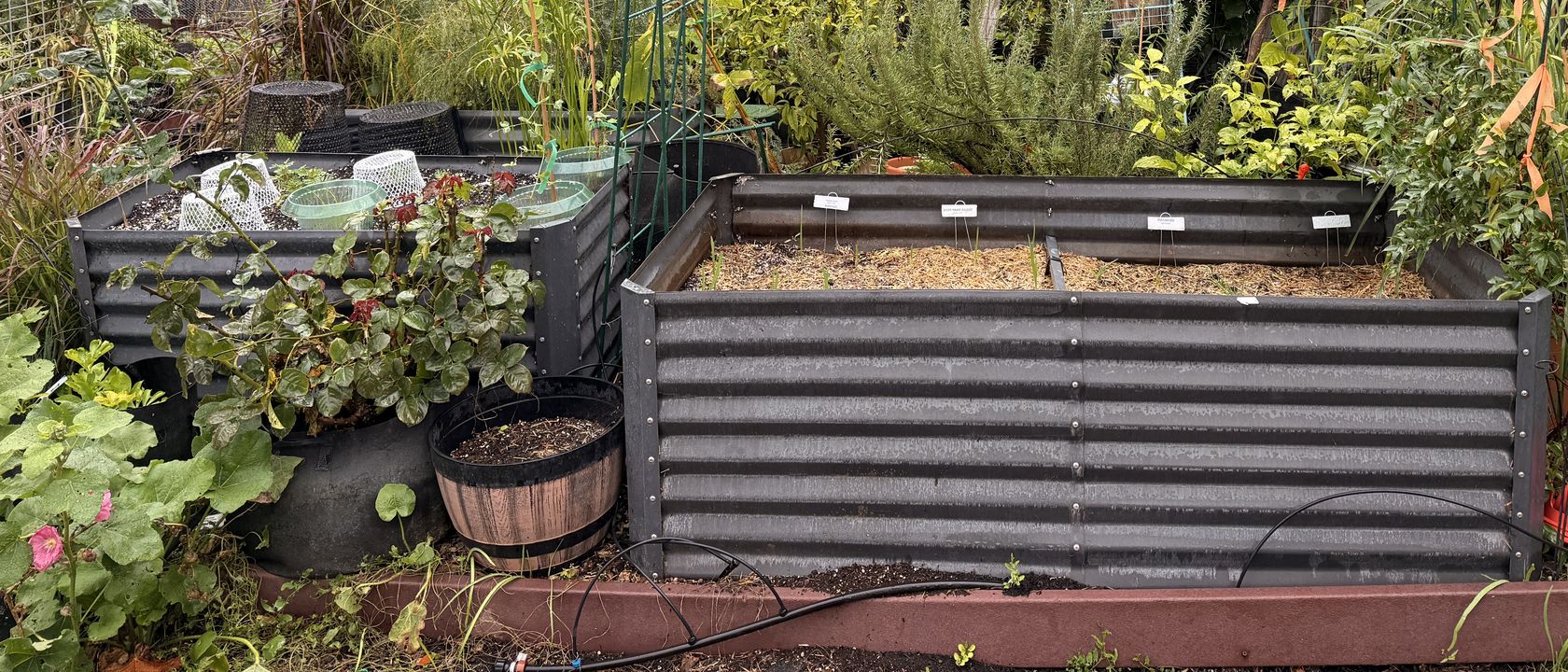
Gardening · Seasonal
Prepping Beds Before the Rains
Most of Santa Clara County's rain falls between November and March, onto beds built in the dry months. What the soil, compost and container research supports for getting a bed ready, and where it stops.
Read the guide →Behind the guides
Some pages on the site read differently than they did in August. Here's what's going on.
In late September we started putting every live guide through the same review the Apprenticeship gets before it ships. Each claim is traced back to its source and read against what that source actually says. Then a separate search goes looking for research that disagrees, and a sample of the results is re-checked blind, without sight of the earlier verdicts. More than two dozen guides have been through it so far, including most of the Substrate Library, several California Natives entries, the Field Manual's pest dossiers from fungus gnats to spider mites, and the Santa Clara County Planting Calendar.
Most of what changes is small: a claim narrowed to what the study actually measured, or a source swapped for a stronger one. When a review finds that a page told readers something they might have acted on, the page gets a short dated note saying so. Sources & Methods explains how we decide which is which.
The research behind growing things keeps moving. A guide that was the best available answer in May isn't guaranteed to be the best answer in October, and we'd rather keep checking than pretend otherwise.
Plate of the month
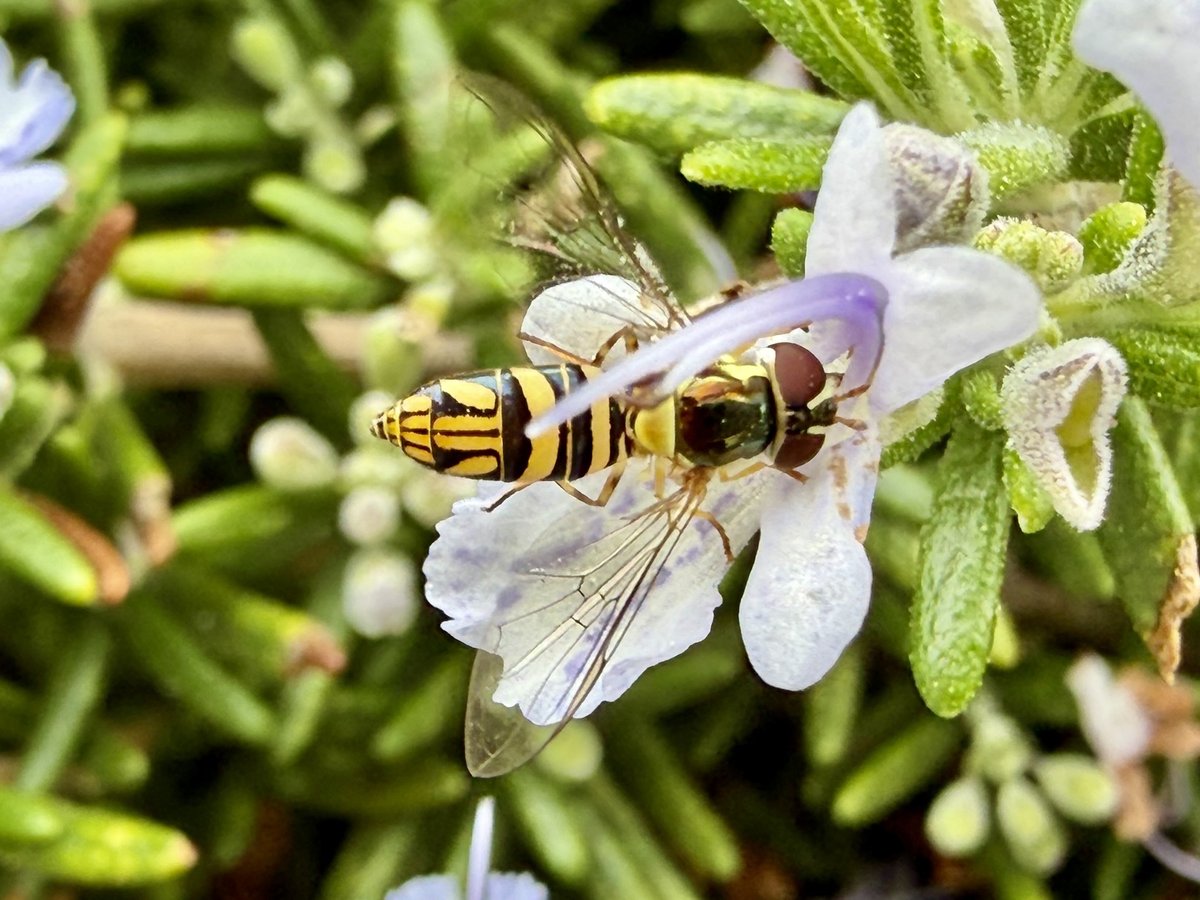
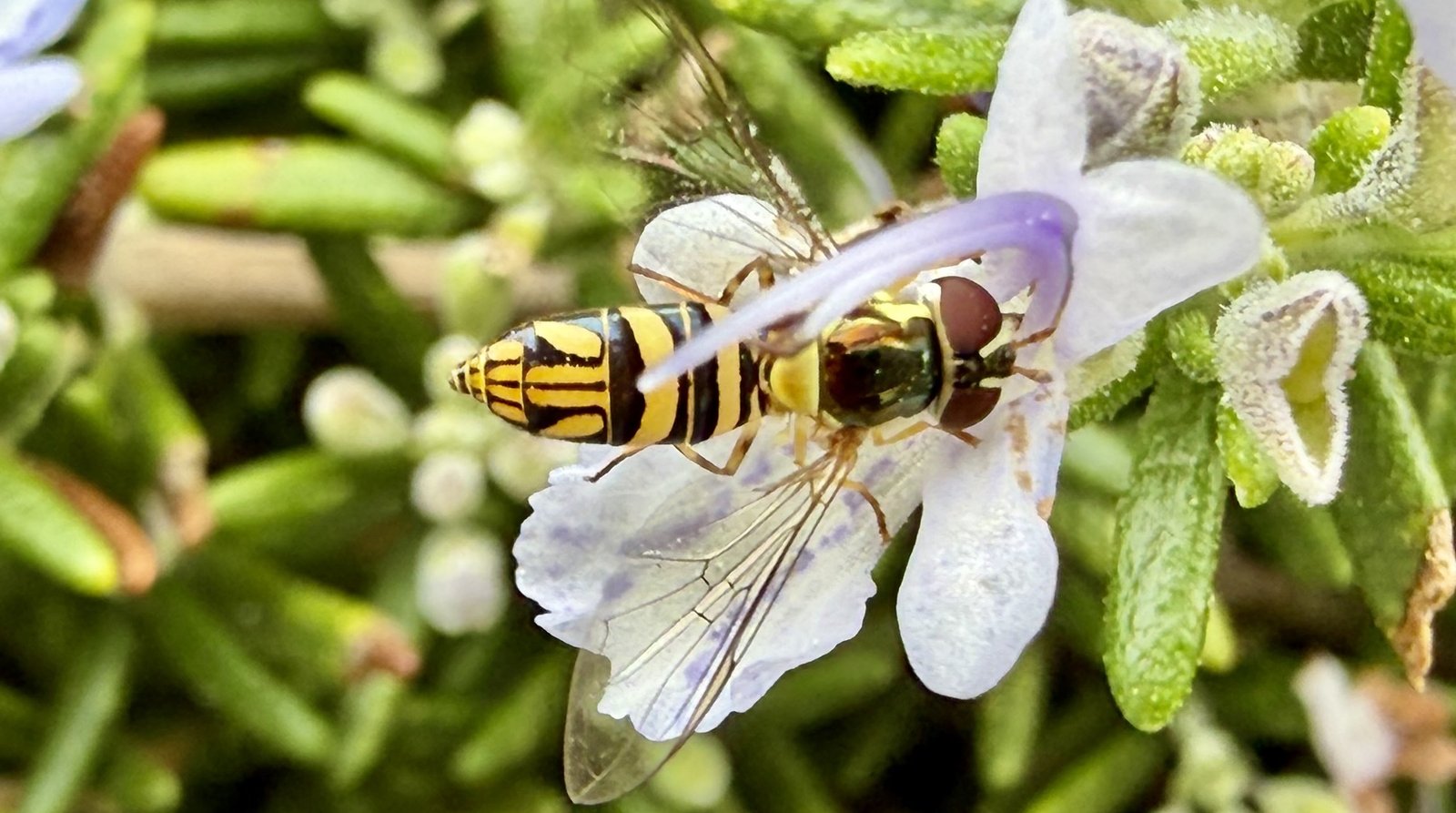
Allograpta obliqua at a flower, Stanford. Photo: Drew Baxter, iNaturalist, CC0.
Watch a patch of flowers on a sunny afternoon and sooner or later something will hold perfectly still in midair in front of one. Most people file it as a small bee. It's a fly. Hover flies can hover and even fly backward, which few insects outside their family manage (Weems, 2024), and like every fly it has one pair of wings where a bee or wasp has two (USDA Forest Service, n.d.).
This one is Allograpta obliqua (al-oh-GRAP-tuh oh-BLY-kwuh), about a quarter inch long and banded yellow and black. It shows up in Bay Area records in every month of the year (GBIF.org, 2026). The adults work the flowers. The larvae are the part a gardener should care about, because they feed mainly on aphids (Weems, 2024).
So if you're the sort who reaches for the spray at the first aphid on the roses, this is the insect worth looking for first. It's Plate No. 01 in the rebuilt Pollinator Library, and the full entry covers how to tell males from females, what its young need, and the three flies most often mistaken for it.
Know a gardener who'd want this? Send them this page.
Sources
Bumgarner, N. (2020). Onions, leeks and shallots for the Tennessee vegetable garden (D 127). University of Tennessee Extension. https://uthort.tennessee.edu/wp-content/uploads/sites/228/2023/11/D127.pdf
Cranshaw, W., & Cloyd, R. A. (2003). Fungus gnats as houseplant and indoor pests (Fact Sheet 5.584). Colorado State University Extension. https://extension.colostate.edu/resource/fungus-gnats-as-houseplant-and-indoor-pests/
del Pozo, A., & González, M. I. (2005). Developmental responses of garlic to temperature and photoperiod. Agricultura Técnica, 65(2), 119–126. https://doi.org/10.4067/S0365-28072005000200001
Franco, C. (2024, October 24). California Native Plant Society announces new resources for fall planting season. California Native Plant Society. https://www.cnps.org/news-releases/fall-native-plants-cnps-calscape-40937
GBIF.org. (2026, October 4). GBIF occurrence download [Data set]. https://doi.org/10.15468/dl.q6wb5f
National Oceanic and Atmospheric Administration, National Centers for Environmental Information. (n.d.). U.S. climate normals, 1991–2020: Stations USW00023293 (San Jose International Airport), USC00047821 (San Jose) and USC00043417 (Gilroy), CA [Data set]. Retrieved October 6, 2026, from https://www.ncei.noaa.gov/access/us-climate-normals/
Steil, A. (2025). How and when do I bring my houseplants back indoors before winter? Yard and Garden, Iowa State University Extension and Outreach. https://yardandgarden.extension.iastate.edu/faq/how-and-when-do-i-bring-my-houseplants-back-indoors-winter
USDA Forest Service. (n.d.). Fly pollination. Celebrating Wildflowers. Retrieved October 1, 2026, from https://www.fs.usda.gov/wildflowers/pollinators/animals/flies.shtml
Weems, H. V. (2024). A hover fly, Allograpta obliqua (Say) (Insecta: Diptera: Syrphidae) (EENY185). EDIS, UF/IFAS Extension. https://edis.ifas.ufl.edu/publication/IN342 (Original work published 2004)