Pillar 03 · The working-grower's reference
Field Manual
Pest IDs, repotting protocols, light troubleshooting, cross-genus substrate notes, as scannable dossiers for growers who keep collections. Not for first-plant Apprentices, not for the magazine reader. New dossiers as they are tested.
What it is
A reference shelf, not a magazine.
Each entry is a working dossier: vital statistics, modus operandi, where to look, what to do, in what order. Built to be read at the bench.
Who it's for
Growers under real pressure.
For people who already know what a thrips is and need the protocol calibrated, the lifecycle math explained, and the failure modes named.
How it's written
Opinion-bearing, not neutral.
Where the science calls for a hard line, the Field Manual takes one: which protocols actually work, which products to skip.
6 dossiers · published
The dossiers, in order.
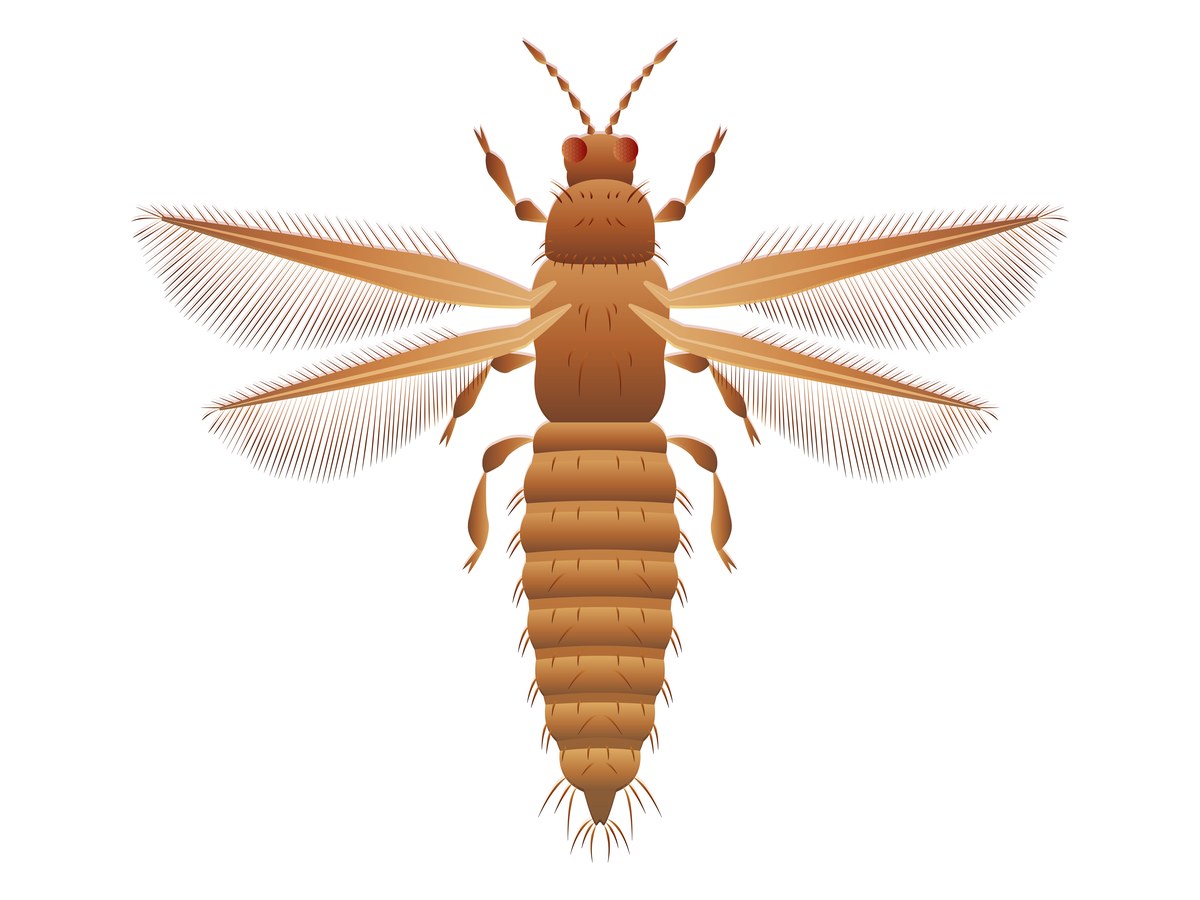
Pest ID Dossier No. 01
Thrips: The Pest You Don't See Until You See Them Everywhere

Pest ID Dossier No. 02
Spider Mites: The Eight-Legged Disaster That Hides on the Underside
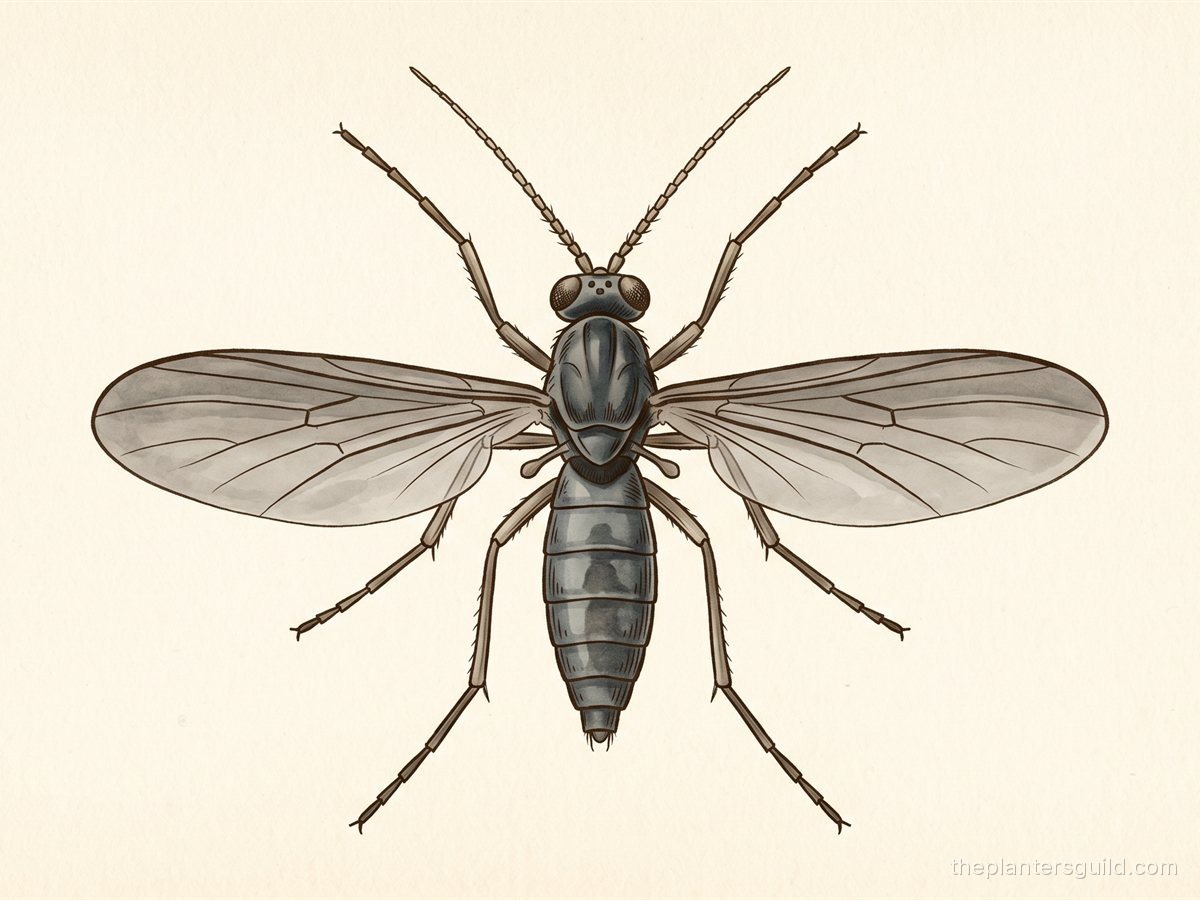
Pest ID Dossier No. 03
Fungus Gnats: When the Substrate Itself Is the Problem

Field ID Dossier No. 04
Harlequin vs. Ladybug
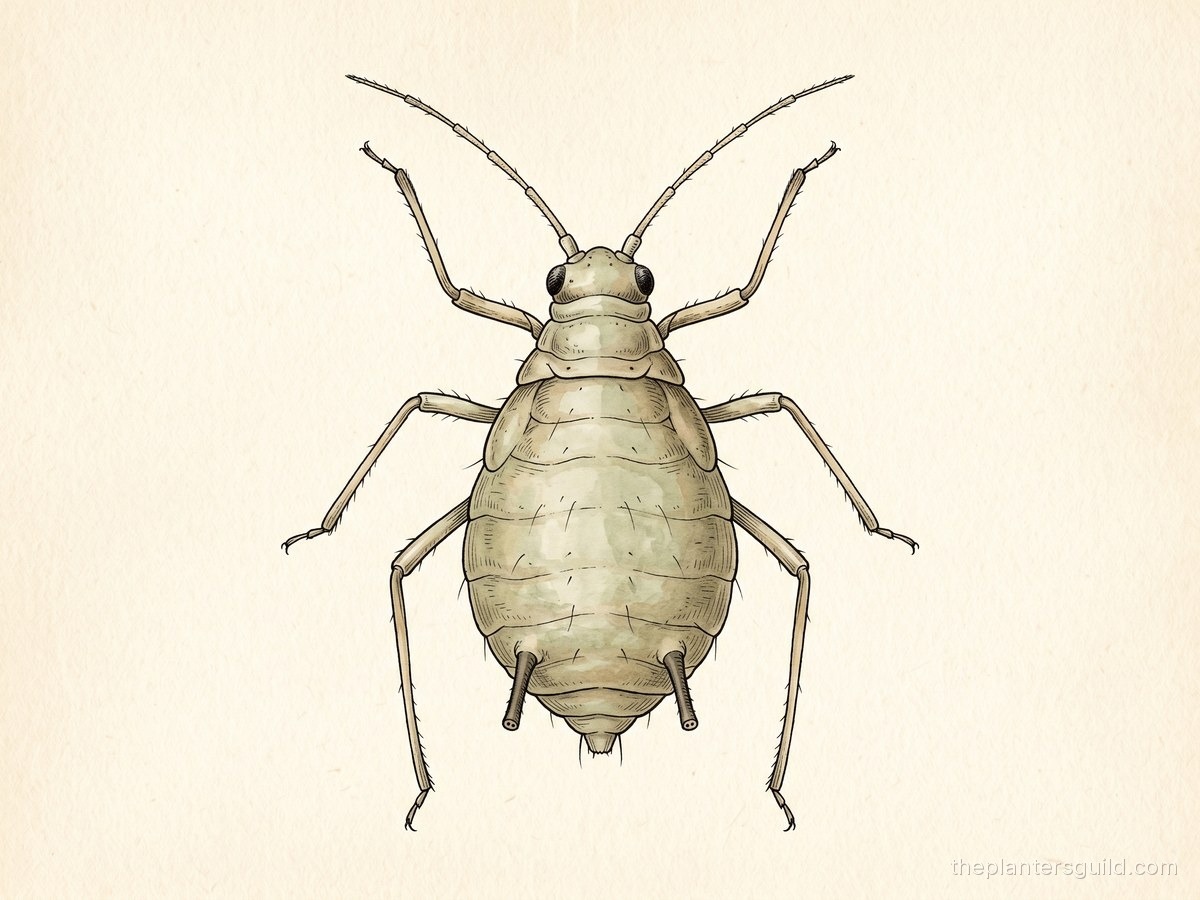
Pest ID Dossier No. 05
Aphids: Why a Clean Stem Is Crusted Green in a Week
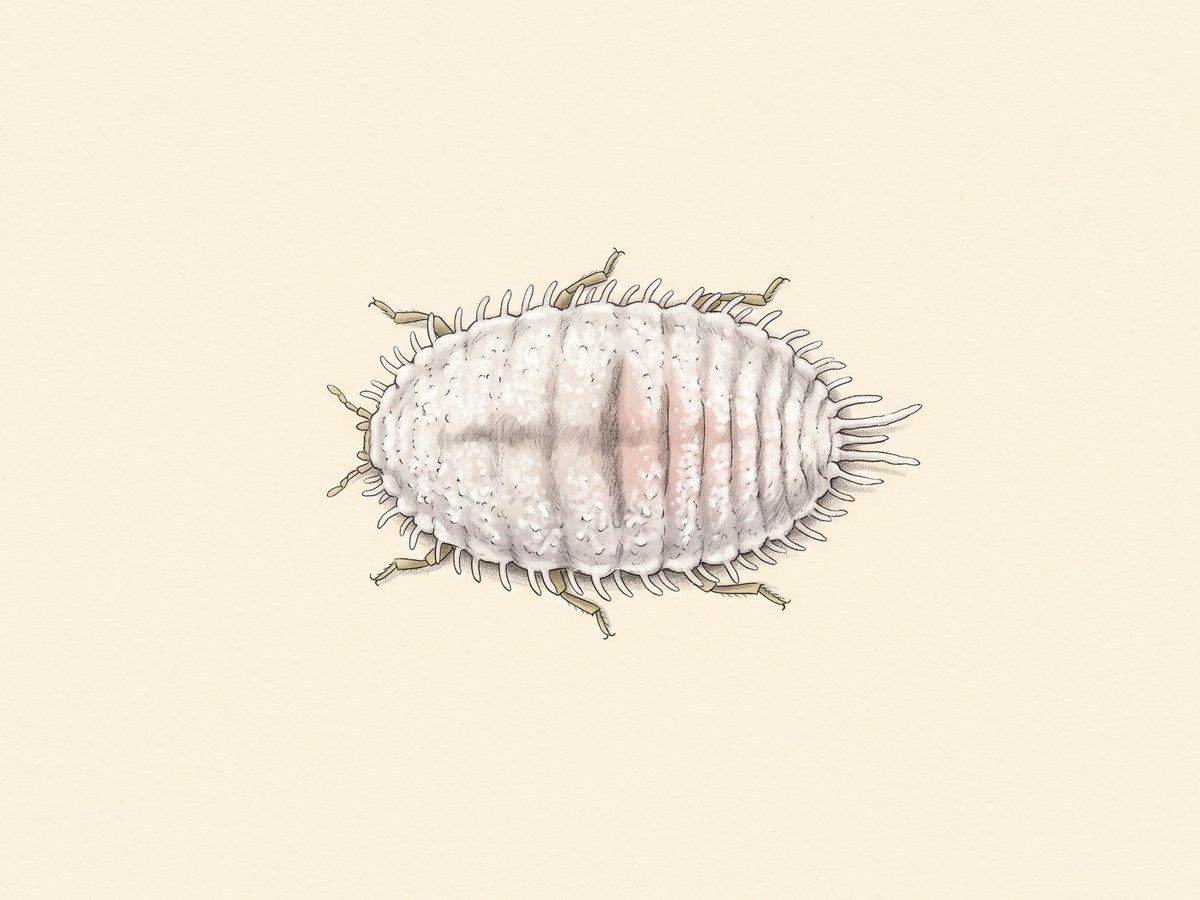
Pest ID Dossier No. 06
Mealybugs: The Wax Is the Whole Problem
In the queue
What's next.
The next dossiers in the editorial calendar. Subjects locked, dates targeted; titles may sharpen on the way to publish.
Researching · Repotting Protocol No. 01
Bare-Rooting an Aroid: The Cheat Sheet
Researching · Light No. 01