Issue 05 · November 2026
Issue 05 — November 2026
November in the Bay Area, when the leaves come down and the rain finally shows up. Plus the Tree Key now has photos for every tree in it, a new look at silica for Monstera and its relatives, and poison oak in its fall color.
Editor's note
The site's been busy since October, so there's a fair bit in here.
What's worth your time this month is the Tree Key. It's a picture key for naming California trees from what you can see: leaf, bark, fruit and shape. Answer what you can, skip what you can't, and the list of possible trees shrinks as you go. Every tree in it now has a photo of the whole tree and one of its leaves. It'll also check the name a plant-ID app gave you, which is handy when the app sounds more sure of itself than it should.
November is a good month for it. The street trees are dropping leaves onto every sidewalk, and a fallen leaf is a fine place to start.
In the garden, the wait is over, mostly. The first soaking rain of the season reached the valley on Friday the 13th, and the forecast has more coming this week. It's a soft start in San Jose, but it's a start, and the natives we've been telling you to hold can go in.
The bigger picture is worth knowing too. NOAA's Climate Prediction Center has an El Niño Advisory in effect and calls a strong to very strong El Niño likely through January to March (Climate Prediction Center, 2026). What that means for rain here isn't guaranteed, and we'll keep an eye on it.
If anything in here is useful, or there's something you wish I'd covered, just reply. I read every one.
A fallen leaf is a fine place to start.
This month in your garden
Bay Area, November. Six things worth your attention.
1. Let the rain take over the watering, but check before you skip it. The National Weather Service's Bay Area office expects another system Tuesday into Wednesday, likely wetter than the Sunday-to-Monday one, and leans toward above-average rain into the last week of November (National Weather Service [NWS], 2026). Still, a couple of storms don't make a wet season. The median November rainfall at San Jose's airport station is a little over an inch (about 3 cm), and the month averages about three days with a tenth of an inch (2.5 mm) or more (National Oceanic and Atmospheric Administration [NOAA], n.d.). That's our reading of NOAA's climate normals, the 30-year averages for each station, not a rule from a study: between storms, beds and containers can still dry out, and pots under an overhang may have caught little of the rain so far.
2. Plant your natives now. The California Native Plant Society (CNPS) calls fall the best time to plant natives, and singles out late fall for its cooler weather and the winter rain on the way (Franco, 2024). With the first real rain in, this is the window we've been waiting for. Our call: get them in the ground, and water the new plantings through any dry stretch between storms.
3. In San Jose, the frost cloth can still wait. At the airport station there's about a one-in-ten chance of a freezing night (32°F, 0°C) by December 1, and the median first freeze doesn't come until December 22 (NOAA, n.d.). South county is another story. In Gilroy the median first freeze falls on November 27, with a one-in-ten chance by November 10 (NOAA, n.d.). If you garden down there, have the cloth where you can find it now.
4. Garlic goes in this month. We plant ours in November and dig it up in mid-June, and the Planting Calendar's garlic window follows the same timing.
5. Put the leaves to work. Illinois Extension suggests running a mower over fallen leaves and spreading them about 2 inches (5 cm) deep on beds and around shrubs. Shredded, they break down faster and are less likely to blow away, and by spring the layer has become a mulch that keeps weeds down and holds moisture in the soil (Gucker, 2025). One exception: if any of it is poison oak, read the plate below first.
6. Decide what you're doing about feeding the houseplants. Iowa State's advice, written for houseplants coming back in after a summer outdoors, is to stop fertilizing through fall and winter, since they aren't actively growing (Steil, 2025). An article from Kansas State University's extension service adds that less light and cooler rooms slow their growth, and that winter feeding could harm some plants (Honig, 2025). The Guild does it differently: every watering in our collection gets fertilizer at the label rate, all year.
From the Guild this month
Six from the site: a tool that's grown up, a new question in the Substrate Library, a care guide worth reading before the short days, and three Library entries.
Tools · The Tree Key
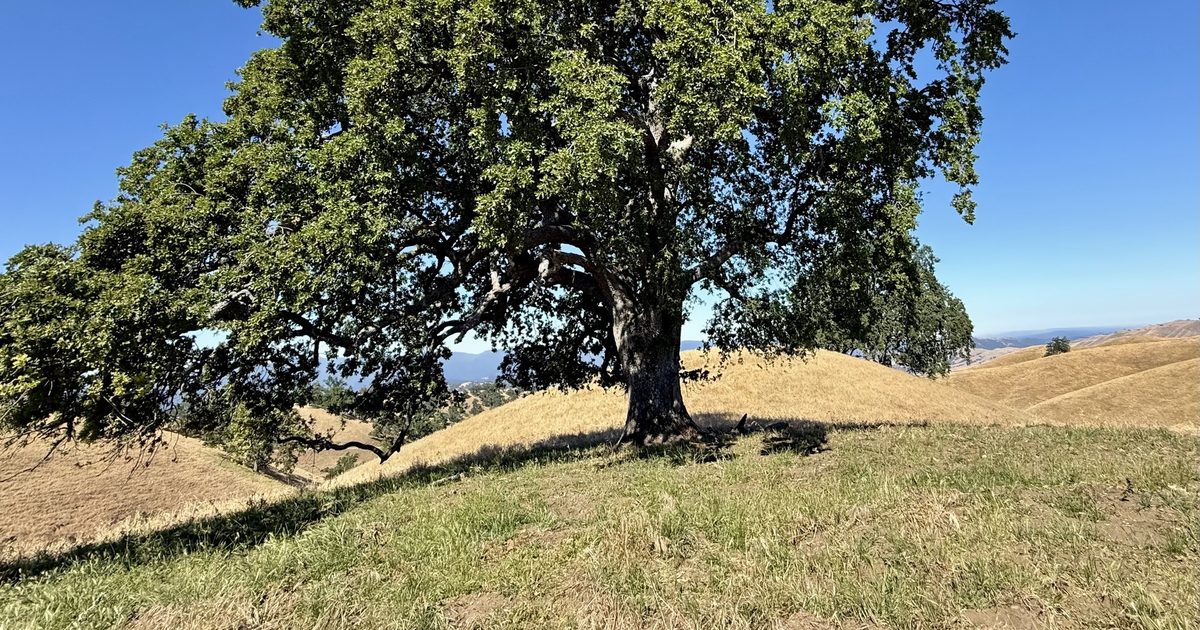
The Tree Key: Name a California Tree From What You Can See
Name a California tree from a leaf, the bark, the fruit or the shape of the whole tree, with a photo for every one of them. Bring it the name an app gave you, too.
Open the key →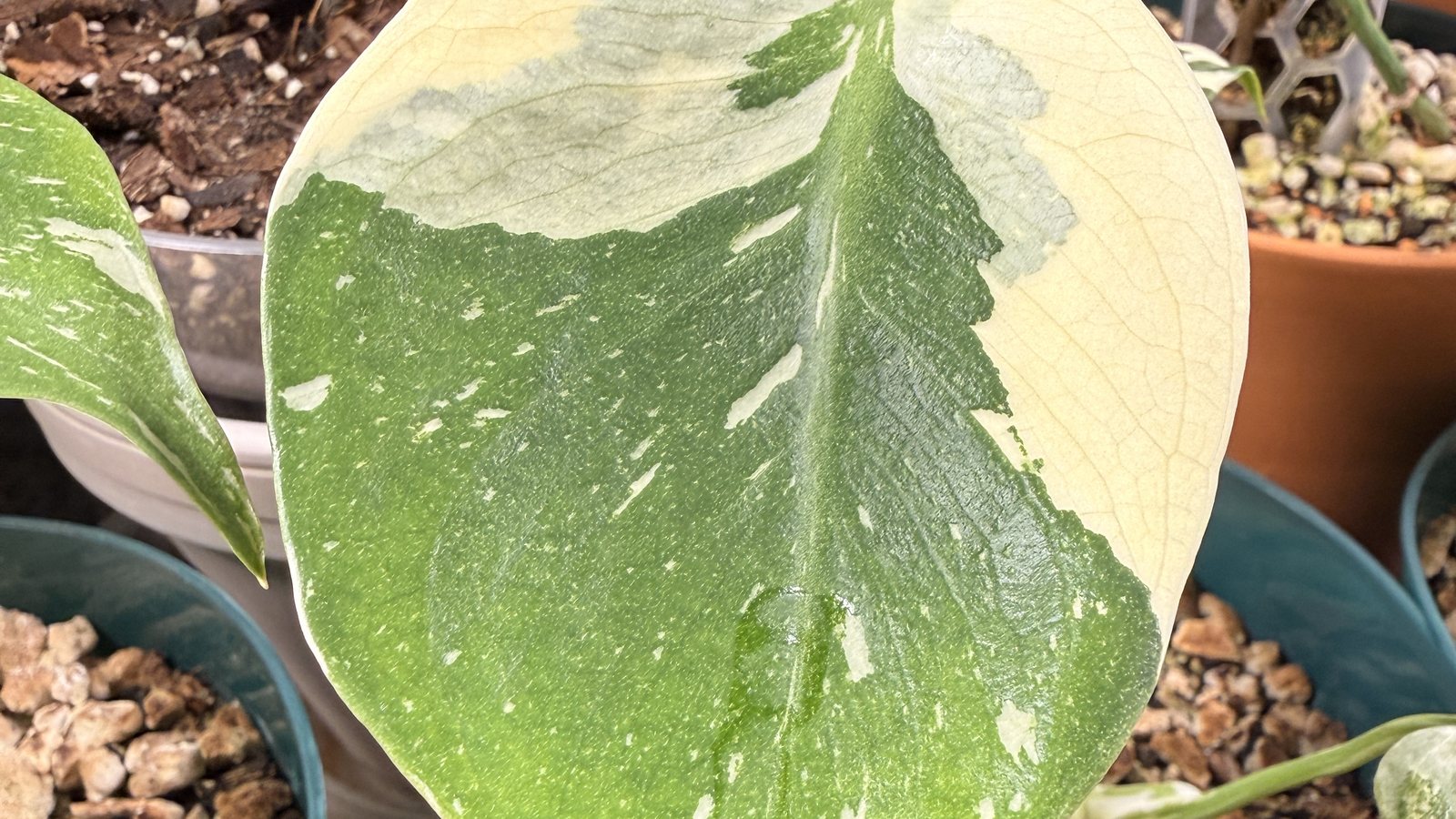
The Substrate Library · New
Does Silica Help Aroids?
Does silica do anything for Monstera, Philodendron and the rest of the aroids? What the pot trials found, how much silicon aroids take up, and what to watch if you try it.
Read the entry →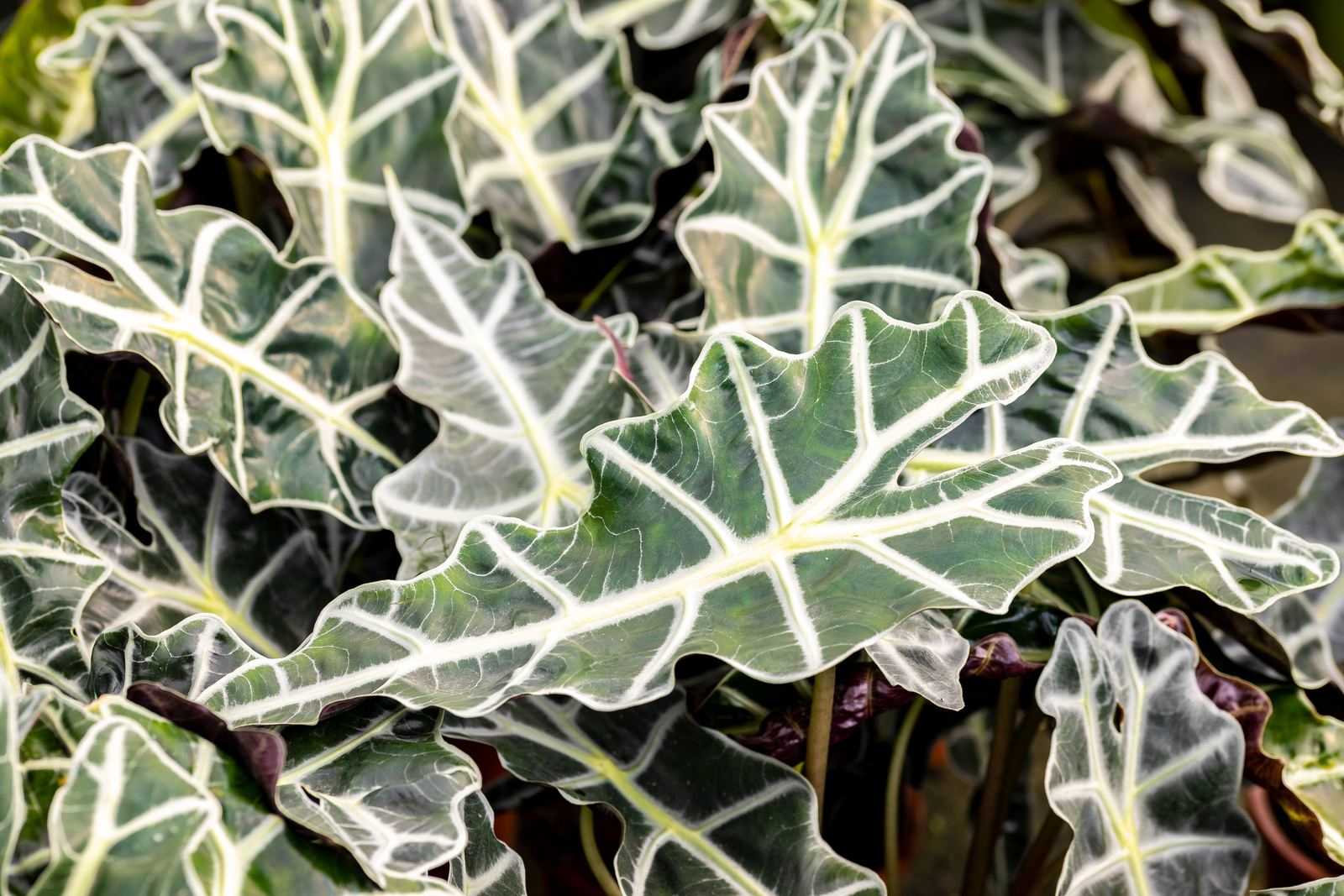
Care Guides · Alocasia
Alocasia Care Guide
Light, water, humidity, winter care and potting mix for the whole genus, with a roster of species and a care sheet you can print.
Read the guide →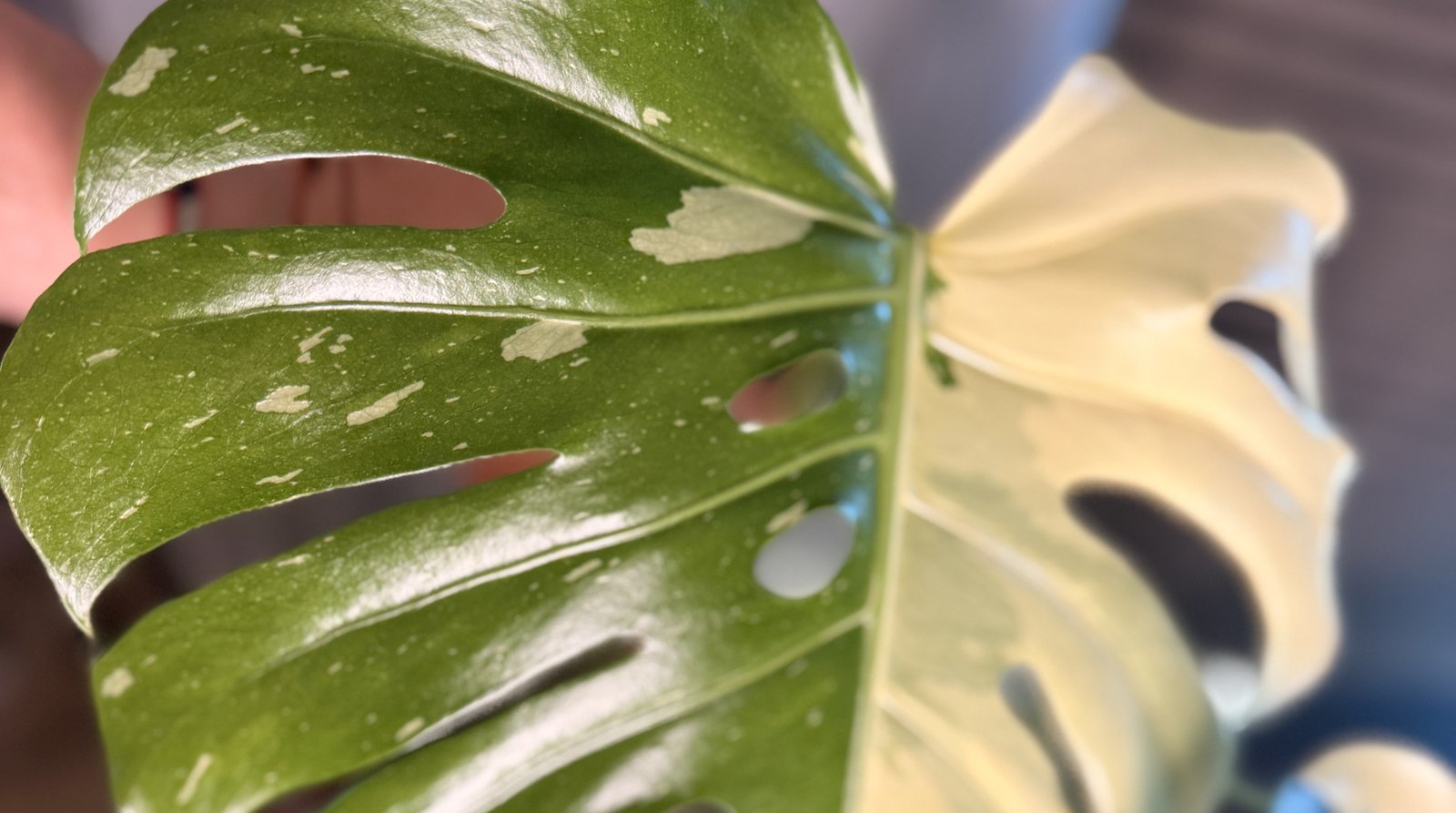
The Plant Library · Monstera
Chimeras, Sports and Lab-Grown Leaves: How Variegated Monstera Work
Albo, Thai Constellation, Mint: no label can promise a variegated Monstera keeps its pattern. What a chimera is, and what "stable" and "lab-grown" don't mean.
Read the entry →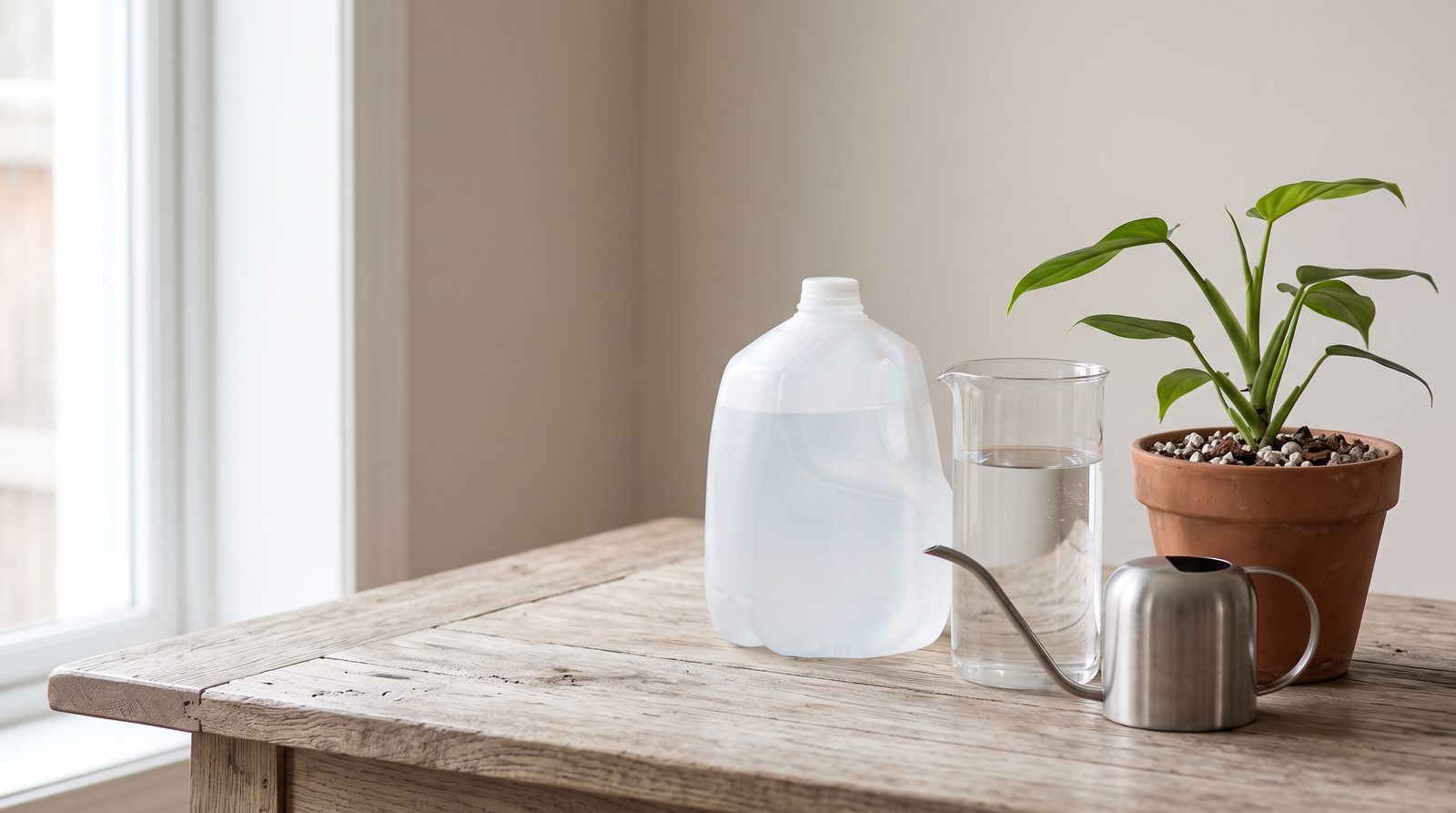
The Substrate Library
Feeding on Distilled or RO Water
Water with distilled or reverse osmosis (RO) water and the fertilizer becomes your plant's main source of calcium, magnesium and micronutrients. What the fertilizer has to contain, and why the pH needs watching.
Read the entry →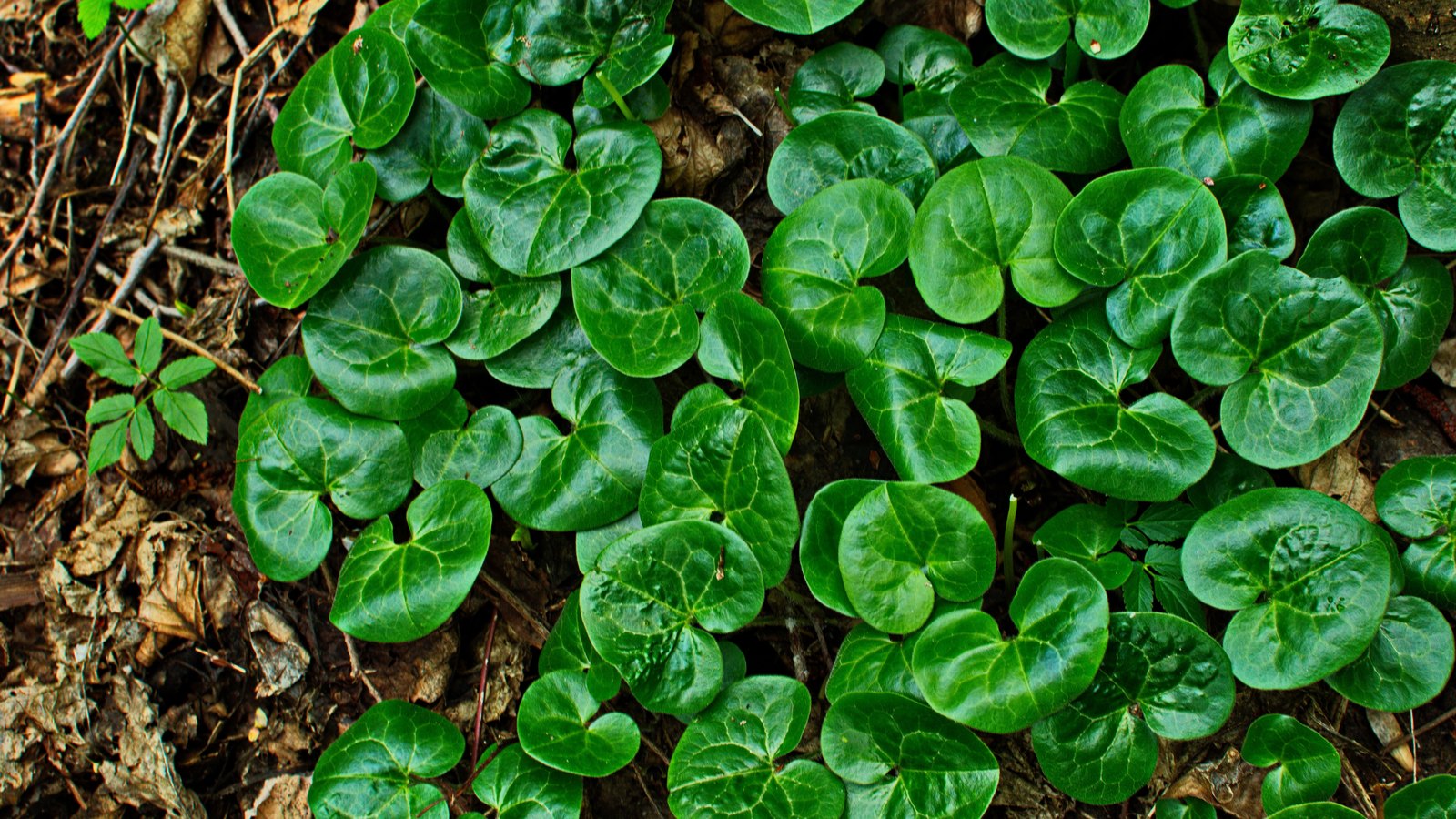
The Leaf Library · Reniform
Reniform: The Kidney-Shaped Leaf
Wider than long, with a notch where the stalk meets the leaf blade. The wild gingers sit right on the line between kidney and heart, and the reference books disagree about which side ours fall on.
Read the entry →Behind the guides
Last month we wrote about checking every guide against its sources again. That work kept going, and lately it has started changing how some pages are laid out, not only what they say.
The fungus gnat guide was the first. It used to be laid out like a case file, with themed headings and the treatment advice spread through the page. Now the short answer comes first, the headings are the questions people ask, the steps sit together in one place, and there's a plain list of what the product labels allow.
The bottom-watering myth went through the review too. Its verdict is narrower than the usual advice: bottom watering suits plants that can't take wet leaves, but it isn't better in general, because it can leave salts building up at the top of the pot.
Plate of the month
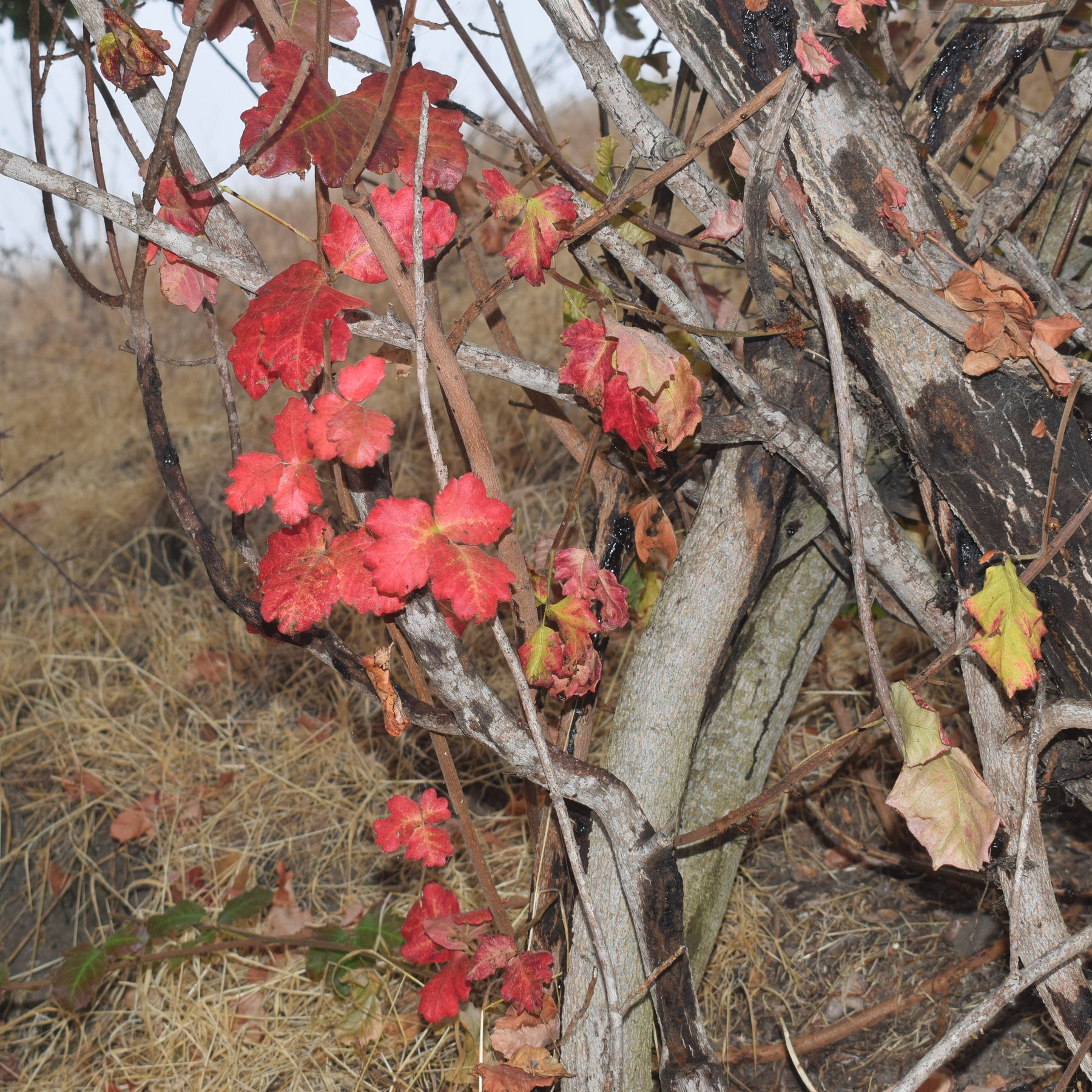
Pacific poison oak turning scarlet in late September at Ed R. Levin County Park, in Milpitas. Photo: iNaturalist, CC0.
Fall is when poison oak changes color. Its new leaves come in shiny and reddish, go green for summer, then turn yellow or scarlet before they drop in fall (Daw, 2020).
Pacific poison oak, Toxicodendron diversilobum (tok-sih-koh-DEN-dron dy-ver-sih-LOH-bum), grows as a shrub 2 to 6 feet tall (0.6 to 1.8 m) or as a woody vine that climbs trees, and its leaves usually carry three leaflets (Howard, 1994). That's why it lives in the Leaf Library under Trifoliate.
Bare stems aren't safe stems. The National Park Service says the oil behind the rash is on the plant year-round, even on leafless branches (Daw, 2020), and clothing or firewood that has touched the plant can pass it on (Howard, 1994). With leaf cleanup under way, never burn it. A Pacific Northwest Extension guide reports reactions from breathing smoke near burning poison oak, even in people thought to be immune (Edmunds et al., 2018).
The full Trifoliate entry covers how to tell it from the other three-leaflet plants in a Bay Area yard, and how to handle it if you have to.
Know a gardener who'd want this? Send them this page.
Sources
Climate Prediction Center. (2026, October 8). ENSO diagnostic discussion. National Oceanic and Atmospheric Administration, National Weather Service. https://www.cpc.ncep.noaa.gov/products/analysis_monitoring/enso_advisory/ensodisc.shtml
Daw, S. (2020, May). Pacific poison oak. National Park Service. https://www.nps.gov/articles/000/pacific-poison-oak.htm
Edmunds, B., Grand, L., Christiansen, A., & Hulting, A. (2018). Pacific poison-oak and western poison-ivy: Identification and management (PNW 108, rev.). Pacific Northwest Extension. https://extension.oregonstate.edu/sites/default/files/documents/pnw108.pdf
Franco, C. (2024, October 24). California Native Plant Society announces new resources for fall planting season. California Native Plant Society. https://www.cnps.org/news-releases/fall-native-plants-cnps-calscape-40937
Gucker, D. B. (2025, October 27). Don't bag your fall leaves, use them. Know How, Know More, University of Illinois Extension. https://extension.illinois.edu/blogs/know-how-know-more/2025-10-27-dont-bag-your-fall-leaves-use-them
Honig, R. (2025, September 3). Fertilizing houseplants. Wild West District, K-State Research and Extension. https://www.k-state.edu/news/wild-west-district/articles/2025/09/fertilizing-houseplants.html
Howard, J. L. (1994). Toxicodendron diversilobum. In Fire Effects Information System. U.S. Department of Agriculture, Forest Service, Rocky Mountain Research Station, Fire Sciences Laboratory. https://www.fs.usda.gov/database/feis/plants/vine/toxdiv/all.html
National Oceanic and Atmospheric Administration, National Centers for Environmental Information. (n.d.). U.S. climate normals, 1991–2020: Stations USW00023293 (San Jose International Airport) and USC00043417 (Gilroy), CA [Data set]. Retrieved November 9, 2026, from https://www.ncei.noaa.gov/access/us-climate-normals/
National Weather Service, San Francisco Bay Area/Monterey. (2026, November 14). Area forecast discussion [Issued 1:05 p.m. PST]. https://forecast.weather.gov/product.php?site=mtr&issuedby=MTR&product=AFD
Steil, A. (2025). How and when do I bring my houseplants back indoors before winter? Yard and Garden, Iowa State University Extension and Outreach. https://yardandgarden.extension.iastate.edu/faq/how-and-when-do-i-bring-my-houseplants-back-indoors-winter