Issue 02 · August 2026
Issue 02 — August 2026
Late August in the Bay Area, when the summer garden peaks and the fall garden starts. Plus a twelve-entry native season closes out.
Editor's note
This one's arriving mid-month instead of on the first Monday, and the reason is the good kind. July turned into the busiest publishing stretch the site has had, fourteen entries plus the first issue of this letter, and the first week of August kept right on going. The newsletter is what slipped while I was heads-down.
A mid-month letter may land better anyway. The back half of August is when the Bay Area garden splits in two. Out front, the summer beds are at their peak and drinking hard. Out back, the natives have gone brown and quiet and want to be left alone. And underneath both of those, the fall garden is already asking for decisions, because our real planting season starts in about six weeks and the good native stock gets picked over early.
So most of what's below is about that third garden, the one that doesn't exist yet.
If anything in here is useful, or there's something you wish I'd covered, just reply. I read every one.
This month in your garden
Bay Area, mid-August. Six things worth your attention.
1. Water long and rarely, not short and often. Late August is our hottest inland stretch, and the instinct is a quick daily sip. Go the other way. Soak deeply enough to wet the soil 18 to 20 inches down for trees and shrubs, then leave it alone until the top few inches dry out. Frequent light irrigation gives you a shallow root system that's more prone to water stress (Cerny et al., 2002). Early morning is still the window.
2. Keep your established natives mostly dry. Manzanita, ceanothus, coffeeberry, sage: if it's been in the ground through a winter, it's summer-dormant and it does not want your hose. Once a month is the ceiling for most drought-tolerant natives, and keep any real volume off the root ball and the base of the stem, because warm wet conditions are what push soil-borne pathogens out of balance (California Native Plant Society [CNPS], n.d.-b). Phytophthora cinnamomi (a root pathogen that behaves more like a water mold than a true fungus) infects only the roots, during prolonged periods of soil saturation (Oregon State University, Department of Horticulture, 2021).
3. Check leaf undersides for spider mites once a week. Eighties and dry is their weather. Under those conditions a new generation comes every five to seven days, and once nights stay warm too, the population curve gets away from you fast (Oregon State University Extension Service, n.d.). Look for fine pale stippling on the upper surface and turn the leaf over. If you find them, hit the undersides with a forceful jet of water and repeat every few days. Don't wait for a threshold. Act on the first stippling.
4. Start your cool-season seedlings now, in the shade. Broccoli, cabbage, cauliflower, kale, lettuce. Fall brassica transplants run about four to six weeks from seeding to setting into the garden (University of Maryland Extension, 2023), which puts a late-August sowing in the ground in early October, right on time. Start them in flats in the coolest shaded spot you've got rather than in hot garden soil. High temperatures can push lettuce and a few others into dormancy instead of germination, above roughly 77°F (25°C) (University of Florida Institute of Food and Agricultural Sciences [UF/IFAS], 2023).
5. Decide your fall native list now, plant it in October. The ideal windows for putting natives in the ground are late fall, winter, and early spring, timed to the rains. Hot summer or early-fall conditions are a hard time to start most plants (CNPS, n.d.-a). There's nothing to plant into yet anyway, since we get essentially no summer rain here. Use August to walk your beds, write the list, and call the native nurseries to reserve stock. And before you buy a bag of compost to go in those holes, read the two pieces below in order.
6. Scout your squash and cucumbers, top and bottom. Powdery mildew loves exactly what we get in late August: warm dry days around 75 to 85°F with humid evenings when the marine layer comes in. Under that pattern it can go from a few spots to an epidemic quickly (Volesky et al., 2021). Start with the oldest, most shaded leaves, check both surfaces, pull the worst ones, and thin a crowded canopy so air moves through it.
From the Guild this month
Four from the site. The first two go together, and in that order: find out what your soil is, then leave the planting hole alone.
The Substrate Library
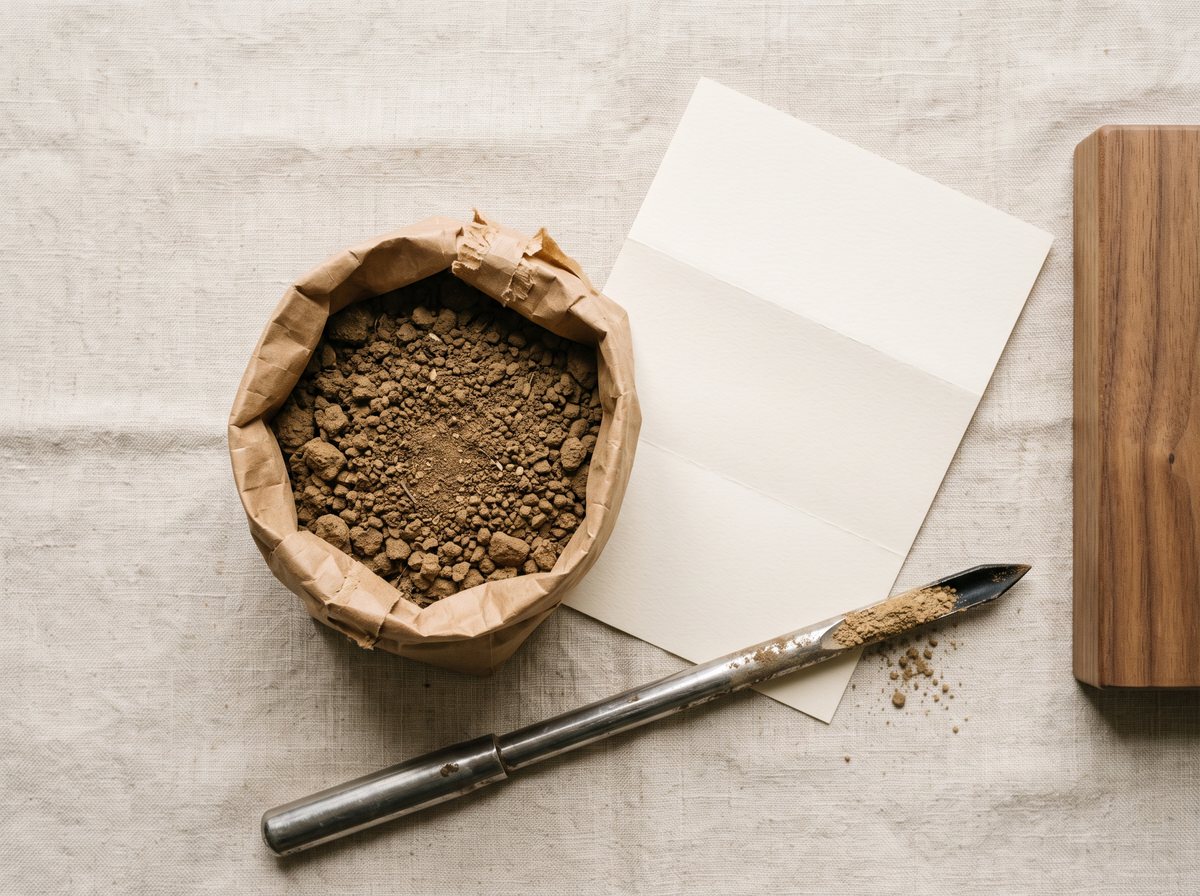
Reading Your Native Soil: The Test Before the Amendment
Before you buy a single bag of compost for fall, find out what you're actually working with. Three tests, one afternoon, no lab required for two of them.
Read the entry →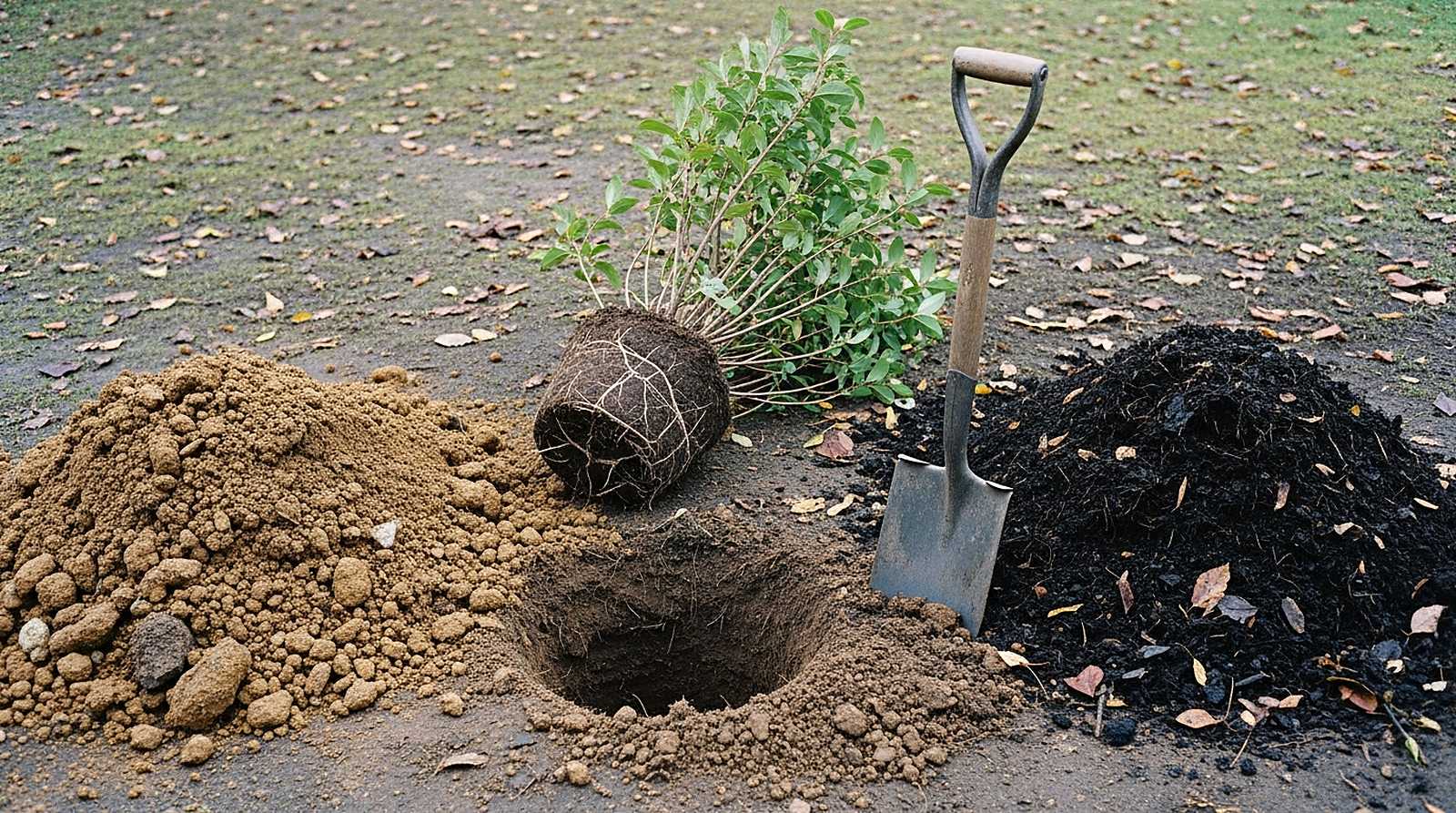
Myths Demystified · No. 06
Should you amend the planting hole?
Dig the hole, mix in compost, set the tree in the good stuff. In controlled trials it gives the tree no head start, and the soft pocket can leave it settling and leaning. What to do instead.
Read the myth →California Natives · No. 12 · Season finale
Currant & Gooseberry: The Natives That Flower in Winter
The genus that runs the California garden year backwards, and the right note to close a twelve-entry season on. Put one on your October list.
Read the entry →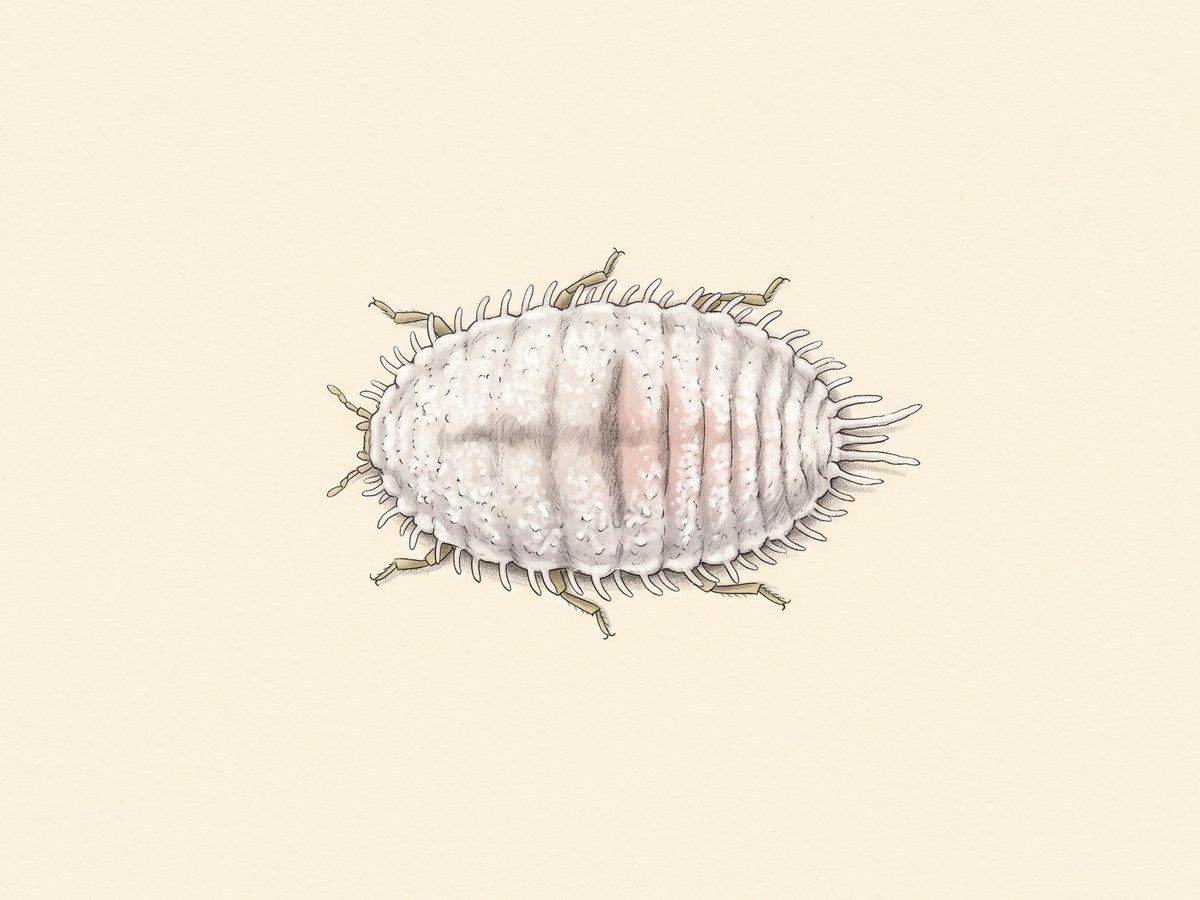
The Field Manual · Dossier No. 06
Mealybugs: The Wax Is the Whole Problem
Why your contact spray beads off and does nothing, the root mealybugs almost nobody checks for, and a five-tier protocol built on stripping the wax or going around it.
Read the dossier →Workshop notes
In Issue 01 I said the Workshop would open with a verdict on hand lenses. Six of them, five dollars to fifty, all bought the way you'd buy one: search "plant magnifier," sort by price.
They're still on the bench, and they're staying there a while longer. Here's the honest reason. The question that actually matters is whether a lens resolves the wing fringe on a thrips under normal room light at nine at night, because that's when you're realistically squinting at a leaf. That's a real-conditions question and it needs weeks of real evenings, not a bench session with a lamp. Rushing it to hit a publication date would produce a ranking I wouldn't trust, and a tool review you can't trust is worse than no tool review.
So the verdict slides to the September issue. Same six lenses, same test, more bench time. I'd rather tell you it's late than tell you something wrong.
Plate of the month
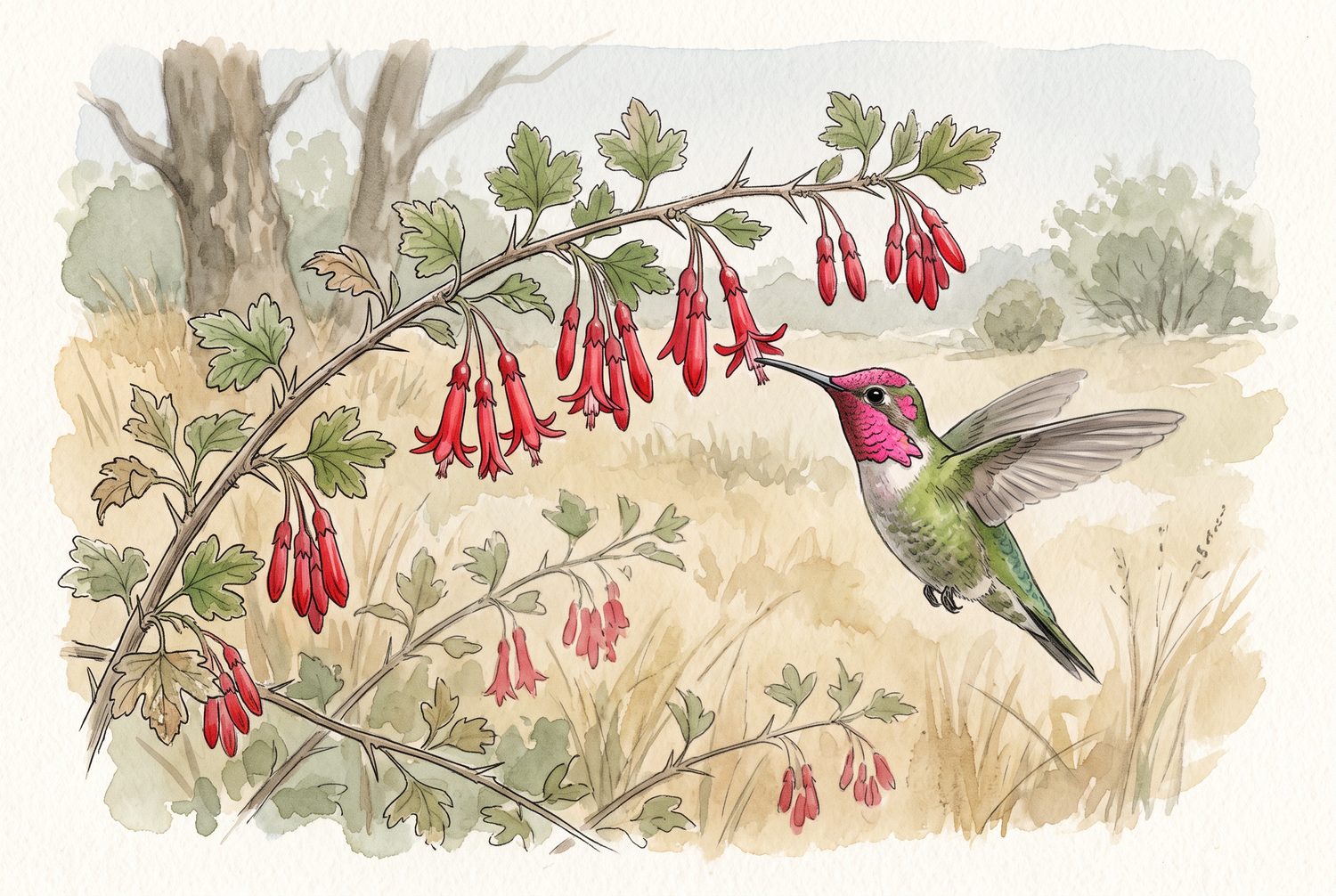
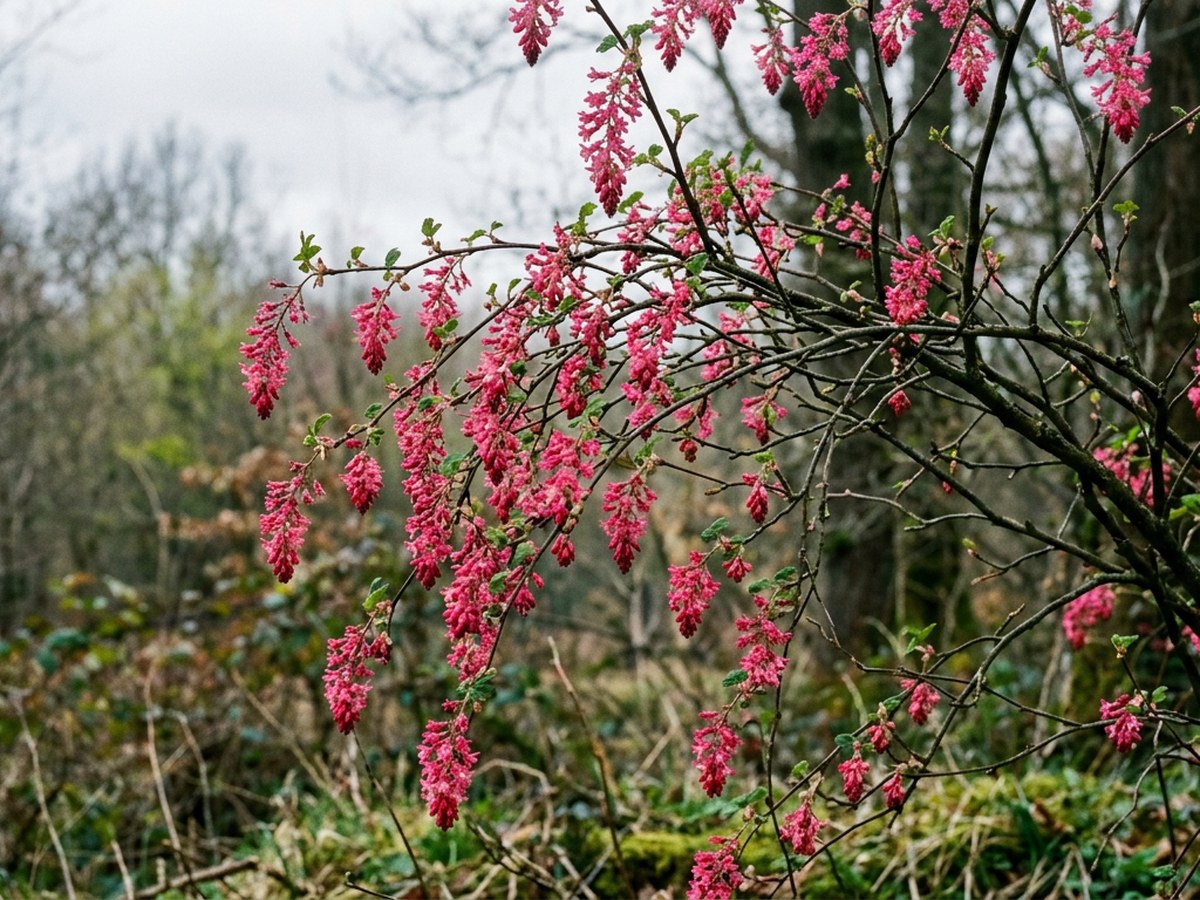
Pink-flowering currant, Ribes sanguineum, working the off-season. An Anna's hummingbird at flowers that open when almost nothing else will.
Right now this plant is a stick. If you walked past a pink-flowering currant in late August you'd think it was finished, and in a sense it is. It drops its leaves in summer, sits out the heat, and does nothing at all while the rest of the garden performs.
Then it flowers in January.
That inversion is the whole point of the plant, and it's why I closed the natives season on Ribes rather than something showier. A California summer runs on scarcity, so a shrub that takes the dry months off and spends its energy in the wet ones isn't confused. It's reading the actual calendar. The payoff is that when it opens those drooping pink clusters in the depth of winter, the Anna's hummingbirds that overwinter here have almost nothing else to work. One shrub, at the one moment its nectar is worth the most.
The practical read for right now: this is a plant you buy in October and plant in November, and then leave alone for two months while it looks like you wasted your money. Put it somewhere you'll see it from a window in January.
Footer
If you'd like to support the Guild and get the mid-month Field Notes issue as it rolls out, become a member. It's $5/mo or $50/yr.
Know a gardener who'd want this? Forward this issue.
Find the Guild on Instagram at @theplantersguild and on Facebook at /theplantersguild.
Reply if anything in here was useful. I read every one.
Sources
California Native Plant Society. (n.d.-a). Planting California natives. https://www.cnps.org/gardening/prepping-and-planting/planting-california-natives
California Native Plant Society. (n.d.-b). Watering California native plants. https://www.cnps.org/gardening/prepping-and-planting/watering
Cerny, T. A., Kuhns, M., Kopp, K. L., & Johnson, M. (2002). Efficient irrigation of trees and shrubs. Utah State University Extension. https://extension.usu.edu/cwel/research/efficient-irrigation-of-trees-and-shrubs
Oregon State University, Department of Horticulture. (2021). Phytophthora cinnamomi. Nursery, Greenhouse and Christmas Trees. https://horticulture.oregonstate.edu/nursery/nursery/phytophthora-cinnamomi
Oregon State University Extension Service. (n.d.). How to recognize and manage spider mites in the home garden. https://extension.oregonstate.edu/gardening/techniques/how-recognize-manage-spider-mites-home-garden
University of Florida Institute of Food and Agricultural Sciences. (2023). Thermodormancy. PropG – Plant Propagation Glossary, Department of Environmental Horticulture. https://propg.ifas.ufl.edu/04-seeds/04-dormancy/13-seedsdormancy-thermodormancy.html
University of Maryland Extension. (2023). Growing broccoli in a home garden. https://extension.umd.edu/resource/growing-broccoli-home-garden
Volesky, N., Murray, M., & Nischwitz, C. (2021). Powdery mildew on vegetables. Utah State University Extension. https://extension.usu.edu/planthealth/research/powdery-mildew-vegetables
Get the next issue.
The Window Box ships the first Monday of every month. Free. Unsubscribe with one click.
Subscribe at /the-window-box