California Natives · The Soil-Builder · No. 09
Lupine: The Native That Makes Its Own Fertilizer
A field guide to the genus Lupinus, the palmate-leaved spikes of the California spring. Why it's a legume that makes its own nitrogen and quietly improves the poor ground it grows in, which of the annual, perennial, and shrubby kinds fits your garden, and why the seed won't come up until you nick it.
On this page
12 sections
- About the Plant
- What You're Looking At
- Where It Comes From
- The Mistake Most People Make
- Sun: Mostly Full, With a Few Exceptions
- Water: Grow It on the Rains
- Soil: Poor Ground, and Here's Why
- Hardiness: It Depends on the Kind
- One Honest Caveat: Good to Grow, Bad to Eat
- Sowing and Sourcing
- The Takeaway
- Quick Reference
About the Plant
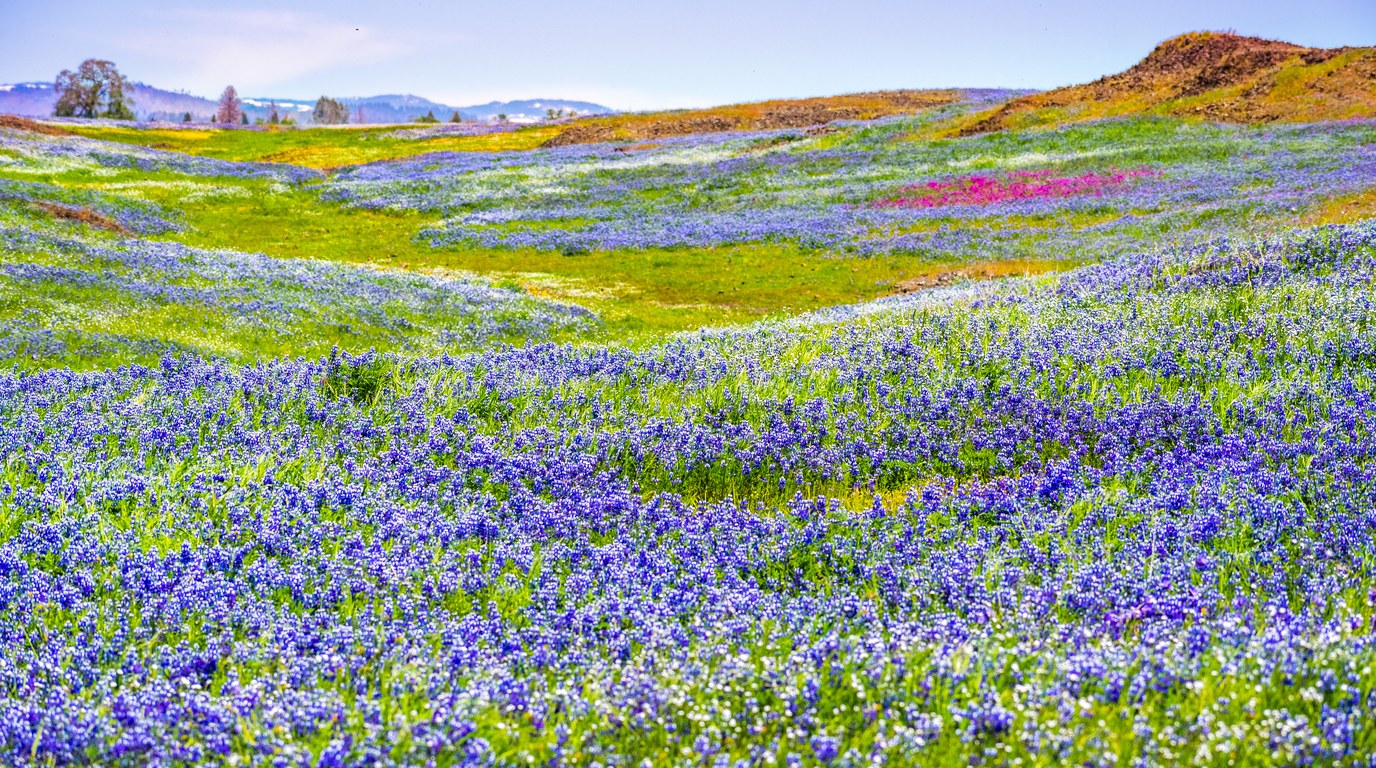
Drive a California backroad in April and lupine is the plant standing with the poppies on the hillsides: tall spikes of blue-purple flowers over a fan of silvery leaves, often running for acres. It's one of the most recognizable wildflowers in the state and one of the most misunderstood in the garden, because the instinct that makes people good gardeners is the one that trips them up here.
Lupine is a legume, a member of the pea family, and like the rest of them it makes its own fertilizer. It pulls nitrogen out of the air and feeds itself, which means it doesn't want rich soil and it doesn't want feeding. Being generous with it backfires. The way to grow lupine well is to be a little stingy: poor soil, full sun, a dry summer, and mostly hands off.
Lupinus is also a large genus, and in California it comes in every size from ankle-high annuals that live a single spring to woody shrubs the size of a small hedge. They're grown a little differently, so part of growing lupine is picking the kind that fits the spot and the job. More on that below, but keep it in mind: "lupine" is a wide family of plants, not one.
What You're Looking At
Start with the leaf, because it's the surest way to know a lupine even when it isn't flowering. The leaves are palmate, which means the narrow leaflets all radiate from a single point like fingers spreading from a palm or spokes from a hub. On many species they're covered in fine silvery hairs, and the whole leaf often cups a bead of dew or rain in its center in the morning. Once you've watched a palmate leaf hold a drop of water like that, it's easy to spot.
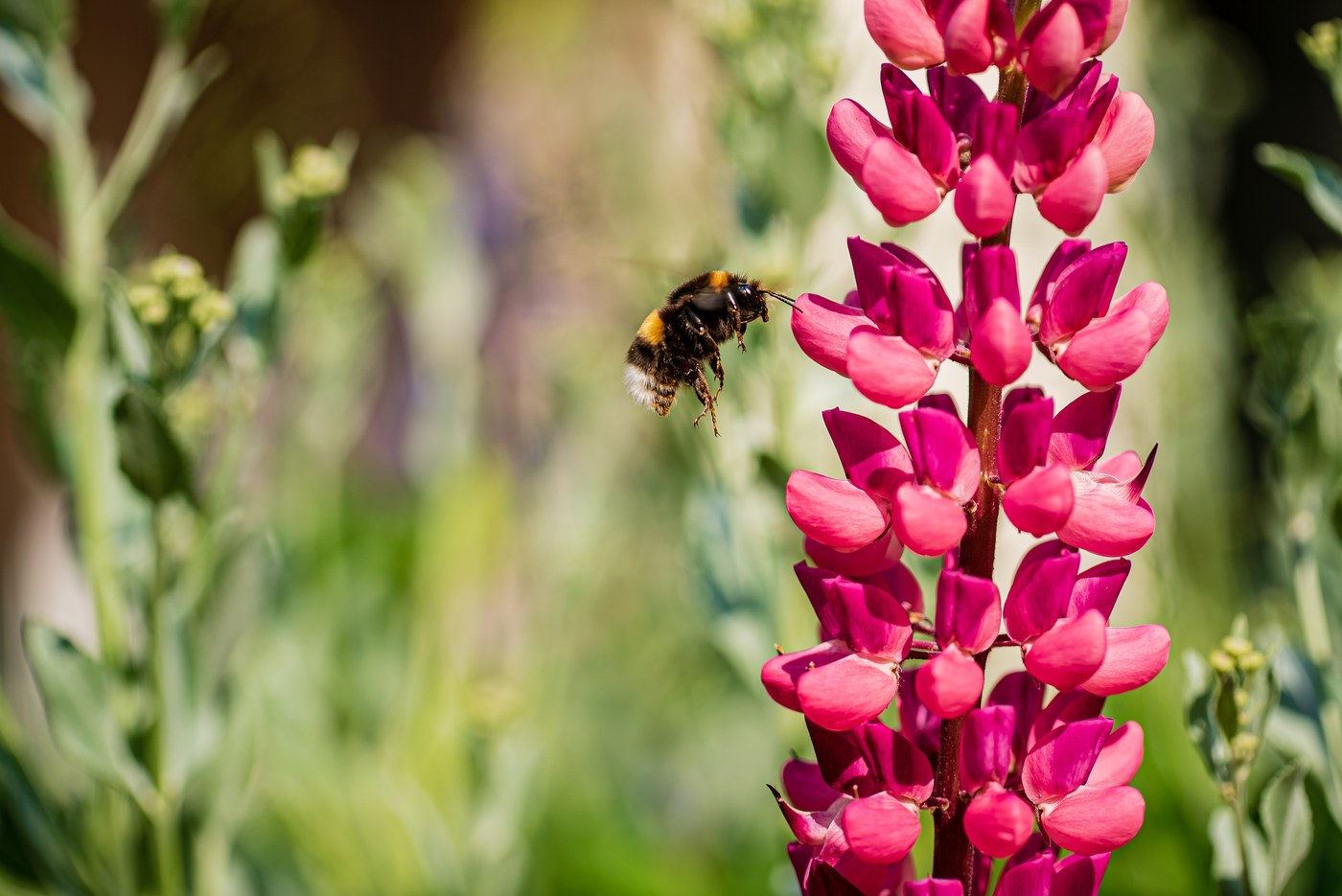
Then the flowers. Each one is a pea flower, the same shape as a sweet pea or a bean blossom, with an upright upper petal and a folded lower one. They stack up the stem in a tall spike, mostly blue to purple, sometimes yellow, white, or pink depending on the species. One detail is worth watching for: the patch on that upper petal, the banner, usually changes color once the flower has been pollinated, shifting from a pale white or yellow to a deeper purple. That color shift is a signal to bees, marking which flowers still hold a reward and which are already spent, so pollinators spend their time on the fresh ones (Gori, 1989).
After bloom come the pods, flattened and hairy and shaped like a pea pod, which dry and twist and split to scatter seed. The whole plant runs from a single deep taproot, and its size is entirely a question of which species you're looking at: some barely top the grass, others reach your shoulder.
Where It Comes From
California is one of the great centers of lupine diversity in the world. The genus radiated fast across the Americas, and the state alone holds dozens of native species spread across nearly every habitat it has: coastal dunes, grassland, chaparral, oak foothill, and high mountain (Drummond et al., 2012). What ties them together isn't the habitat so much as the situation. Lupines are pioneers. They're the plants that move first into raw, open, low-nitrogen ground, road cuts, burns, dunes, and landslides, because they carry their own nitrogen supply and don't have to wait for the soil to become fertile.
The habitat is the whole care sheet. A lupine germinates on the winter rains, flowers and sets seed through spring, then pulls back or goes quiet as the ground dries out. That seasonal rhythm is the plant behaving normally, and most of how people go wrong is fighting it.
The Mistake Most People Make
Here's the one that catches almost everybody: you buy a packet of lupine seed, scatter it, water it, wait, and nothing happens. A few weeks later you decide lupine is difficult and give up. It isn't difficult. The seed is armored.
Lupine seed has a hard, waterproof coat that keeps it dormant until something scratches or weathers it open. In the wild that's a survival trick, spreading germination across several years so a whole cohort doesn't sprout into one bad season. In a seed packet, it means the seed can sit for months without taking up the water it needs to start. The fix is to break that seal yourself, which is called scarifying: rub each seed on sandpaper or nick it with a file, or pour just-boiled water over the seed and let it soak overnight until the seeds swell up. Once the coat is breached, water gets in and the seed comes up.
Lupine also works with soil bacteria to fix its nitrogen, and some species establish better if the seed is dusted first with a rhizobial inoculant, a powder of the right bacteria sold for legume crops, before sowing. Most California soils already carry compatible strains, so this is optional rather than essential, but it can make a difference on new or heavily disturbed ground. Get past the seed coat, sow in fall, and lupine turns out to be one of the easier natives to start.
Sun: Mostly Full, With a Few Exceptions
Most lupines want full sun, six hours a day at a minimum. The common garden and wildflower species, the annual arroyo and sky lupines and the silvery bush lupines, all bloom thin and grow floppy in shade. Where lupine differs from a plant like the poppy is that the genus is big enough to hold exceptions: a handful of woodland and mountain species will take part shade in the wild. Unless you've deliberately sought one of those out, though, treat lupine as a sun plant and give it the most open ground you have.
Water: Grow It on the Rains
Lupine is a winter-rain plant, and the calendar does most of the watering for you. The annuals germinate on the fall rains, grow through the wet season, flower in spring, set seed, and die by summer. That short life is the plant's whole design, not a failure to keep it alive. The perennials and the bush lupines want the same seasonal shape: some water to settle in during their first year, then a dry summer and very little from the hose after that.
What finishes lupine off is summer water on rich ground. A plant built for lean, dry soil rots at the root when it's kept wet and fed, and grows soft and short-lived even when it doesn't rot. Keep it on the dry side and it does fine. Water it out of kindness and you'll rot the root.
Soil: Poor Ground, and Here's Why
This is the section that makes lupine different from almost anything else in the garden. Lupine is a legume, and legumes host bacteria called Bradyrhizobium in small nodules on their roots. Those bacteria pull nitrogen gas straight out of the air and convert it into a form the plant can use, and in exchange the plant feeds them sugars (Sprent, 2009). Underground, lupine runs its own nitrogen factory.
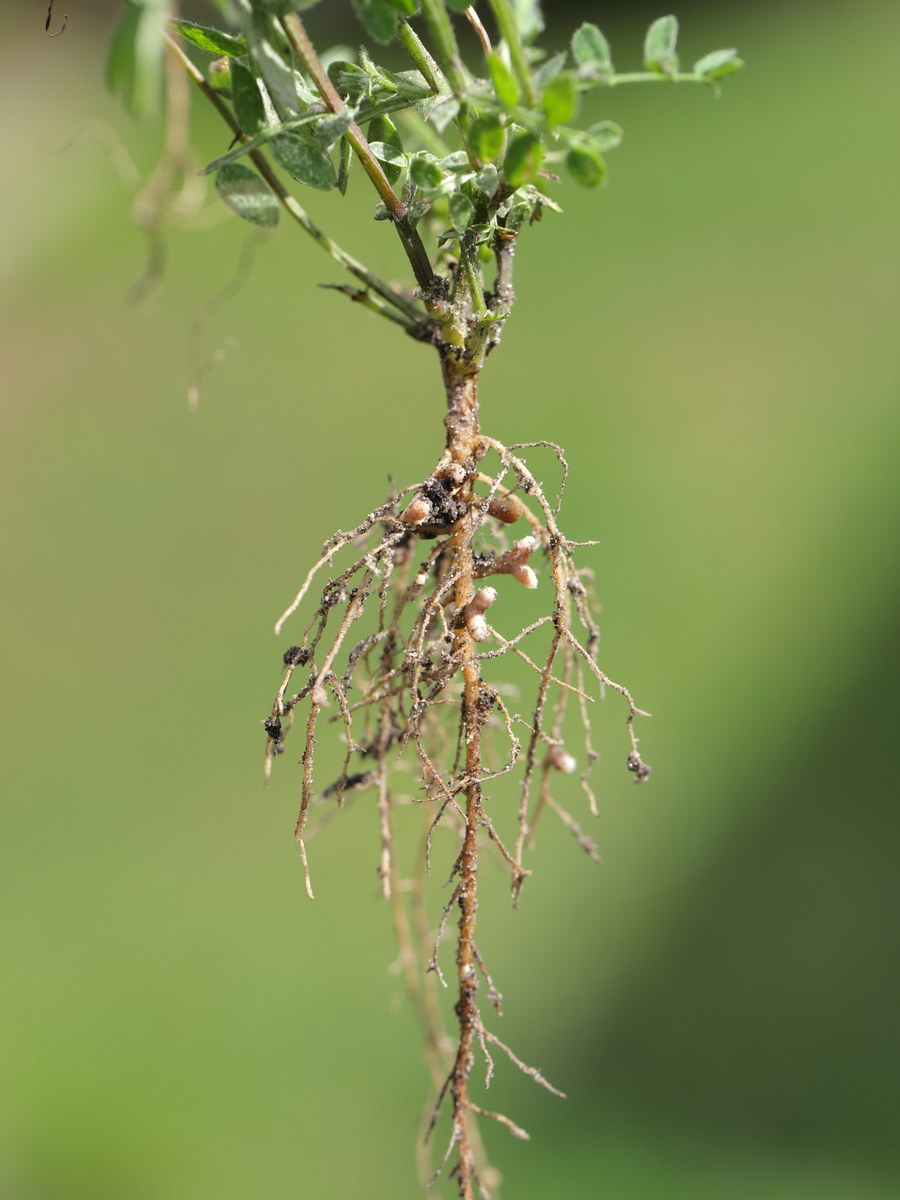
That one fact rewrites the care instructions. Feed a lupine nitrogen fertilizer and you shut that partnership down, and you get rank, leggy, short-lived growth for the trouble. The benefit also runs the other direction: a lupine leaves the ground around it more fertile than it started, which is exactly why it's a pioneer on poor sites and why it makes a good companion planted among other natives. So give it lean, fast-draining ground, sandy or gravelly is ideal, and skip the compost and the feed entirely. On heavy Bay Area clay, either choose a species that tolerates clay or plant on a slope or a raised mound so the roots drain.
Hardiness: It Depends on the Kind
Because the genus is so wide, hardiness depends on which lupine you've planted. Most California native species are comfortable in roughly USDA (United States Department of Agriculture) Plant Hardiness Zones 7 through 10. The annuals sidestep the whole question by living a single season and leaving seed behind, and lupine seed is both very cold-hardy and long-lived in the ground, which is how the plant persists through winters its roots would never survive. For a Bay Area garden the practical read is simple: grow the annuals for a season of spring color that reseeds itself, and grow the perennials and bush lupines for a few years of structure, knowing that even the woody ones aren't especially long-lived.
One Honest Caveat: Good to Grow, Bad to Eat
The one real caution with lupine is simple: don't eat it. The seeds and foliage of most species carry quinolizidine alkaloids, bitter defensive compounds that are toxic in quantity to people and to livestock. It's a genuine concern on grazing land, and it's the reason the edible lupini beans you see in a deli are a specially bred, low-alkaloid exception, not something you'd try with a garden plant. So grow lupine for its flowers and its soil work rather than the table, and give it a little thought in siting if you keep grazing animals or have small children who taste things.
Worth knowing too: most lupines are short-lived by nature, and the bush lupines especially can look tired or open up in the middle after a few good years. That's the plant's normal arc. Leave the spent spikes to dry and drop their seed and replacements come along on their own, so the planting renews itself with no real effort from you.
Sowing and Sourcing
Grow lupine from seed, scarified and sown in fall onto cleared ground, or from small nursery plants set out young before the taproot bulks up and resents the move. The main decision is which species, and that comes down to the site and what you want from it. For fast spring color from seed, reach for an annual like arroyo lupine (Lupinus succulentus) or sky lupine (Lupinus nanus). For a silver-leaved shrub with year-round presence and real value to butterflies, plant silver bush lupine (Lupinus albifrons).
Buy from local California Native Plant Society (CNPS) chapter seed sales and native-plant nurseries that list provenance. Any of the Bay Area chapters (Santa Clara Valley, East Bay, Yerba Buena) can point you to lupine species that belong in a local garden. Skip the big garden Russell hybrids if you're after a true native, since those are bred border plants rather than wild California species. And don't dig lupine from the roadside or open space. The seed is cheap and easy, a dug plant seldom takes anyway, and the wild stand is better left to reseed itself.
Quick Reference
- Sun: Full sun, six hours minimum for the common garden species. A few woodland lupines take part shade, but the sun-lovers bloom thin and flop in too little light.
- Water: Winter-rain grown. Annuals live one wet season and die after seeding; perennials and shrubs want a dry summer and little to no water once established.
- Soil: Lean, sandy or gravelly, fast-draining. Don't amend or feed it. It fixes its own nitrogen and feeds the soil rather than depleting it.
- Nitrogen: Fixed from the air by Bradyrhizobium bacteria in root nodules. Adding nitrogen fertilizer suppresses the process and softens the plant. Never feed it.
- Hardiness: Most California natives are hardy in roughly USDA zones 7–10. Annuals live a single season; the seed is very cold-hardy and long-lived in the soil.
- Bloom: Pea-shaped flowers stacked in tall spikes, mostly blue to purple, some yellow or white, spring into early summer.
- Habit: Palmate, often silvery leaves. Size ranges from ankle-high annuals to shoulder-high shrubs depending on the species.
- Sow in: Fall, onto cleared ground, after scarifying the seed. Or set out young plants before the taproot bulks up.
- Source from: Local California Native Plant Society (CNPS) chapter seed sales and native-seed suppliers that list provenance. Choose a species suited to your site.
- What to avoid: Nitrogen feeding; rich amended soil; summer water on the perennials; sowing unscarified seed; eating any part of the plant; digging from the wild.
The Takeaway
The one shift with lupine is to stop trying to feed it. It runs its own nitrogen supply and actually improves the poor ground it stands in, so the whole job is to give it sun, sharp-draining lean soil, and a dry summer, then get the seed to germinate by nicking its armored coat and sowing in fall. Choose the kind that fits, an annual for a season of reseeding spring color or a bush lupine for a few years of silver structure, and leave the pods to drop seed so the next generation shows up on its own. Do that and you get the blue spikes that share the hillside with the poppies every spring, and a plant that hands your soil back better than it found it.
Sources
Bornstein, C., Fross, D., & O'Brien, B. (2005). California native plants for the garden. Cachuma Press.
California Native Plant Society. (n.d.). Lupinus (Lupine). Calscape. Retrieved July 7, 2026, from https://calscape.org/search/?plant=Lupinus+(Genus)
Drummond, C. S., Eastwood, R. J., Miotto, S. T. S., & Hughes, C. E. (2012). Multiple continental radiations and correlates of diversification in Lupinus (Leguminosae): Testing for key innovation with incomplete taxon sampling. Systematic Biology, 61(3), 443–460. https://doi.org/10.1093/sysbio/syr126
Gori, D. F. (1989). Floral color change in Lupinus argenteus (Fabaceae): Why should plants advertise the location of unrewarding flowers to pollinators? Evolution, 43(4), 870–881. https://doi.org/10.1111/j.1558-5646.1989.tb05184.x
Sprent, J. I. (2009). Legume nodulation: A global perspective. Wiley-Blackwell.