Issue 01 · July 2026
Issue 01 — July 2026
Five things worth doing in the Bay Area garden in July, plus the Workshop opens with a hand lens test.
Editor's note
Well, it's July, which is usually a busy month filled with harvesting the warm weather vegetables. Of course, there's also the joy and excitement of pulling weeds and deadheading flowers that have far surpassed the zenith of their season. It's also the time of year where pest activity always seems to crescendo into frenzied peak.
Between aphids, thrips, and spider mites, we sure seem to spend an awful lot of time removing way more things than we ever intentionally placed in the soil to begin with. Clearing debris, mulching, and the careful dance of giving plants just the right amount of water takes up the remainder of our focus after midsummer.
Indoors, I always find that there are houseplants whose roots are practically ready to burst out of their pots and have begun circling round the bottom like they're running a race around a track. It's time to transplant pots up a size (1-2 inches in diameter max, as a general rule) and watch how quickly they tend to respond.
All of this is preparing us for the cold-weather planting season that's just around the corner. We just have to wait for summer to play its hand as the days start to get shorter and shorter each day.
If anything in here is useful, or if there's something you wish I'd covered, just reply. I read every one.
Wishing you a fantastic summer cleanup and prep for the next season of planting to come.
This month in your garden
Bay Area, early July. Six things worth your attention this week.
1. Move your watering to first light. Late June heat means the soil surface is drying out faster than the root zone can take water up. Water after sunset and the leaves stay wet overnight, which raises fungal pressure. Water at midday and you lose half of what you pour to evaporation. The window I aim for is 5:30 to 7:30 a.m. On inland-valley 90°+ days, terracotta containers may need a second shorter pass around 6 p.m.
2. Stop watering your established California natives. This is the one that trips people up. If your manzanita, ceanothus, or salvia has been in the ground for at least a full winter, it doesn't want July water. Most cismontane California natives (the ones from west of the Sierra crest) are summer-dormant by design, and adding water during their dormant period is what invites root rot pathogens like Phytophthora cinnamomi (California Native Plant Society [CNPS], n.d.). It feels counterintuitive, but it's what keeps them around next year.
3. Aphids, mites, and thrips are all peaking at once. Bay Area gardens are getting hit by all three right now. If you're seeing leaf stippling, crusted-green stems, or pale rasping marks on new growth, the Field Manual has dossiers on all three with apprehension protocols. Scout twice a week with a hand lens. (More on hand lenses below.)
4. Blossom end rot is about calcium movement, not calcium supply. If your first tomatoes are showing dark sunken patches at the bottom of the fruit, the problem usually isn't soil calcium. It's the plant's ability to move calcium into the developing fruit fast enough under heat stress. The fix is consistent watering, not amendments (Saure, 2001).
5. Move containers out of west-facing afternoon sun. Terracotta wicks moisture out the sides of the pot, and a 6-inch pot in 95°F sun can lose its root zone in three hours. Drag the heat-sensitive ones to the east or north side of the patio for July and August.
6. The summer pot-up window for houseplants. Roots circling the bottom of an indoor pot are telling you something. July through early August is your window for repotting up one or two inches, while the plant has summer growth energy to push into new substrate. Going bigger backfires. Oversized pots leave too much wet substrate around roots that can't yet fill it, and a houseplant in soggy substrate struggles even when everything else is right.
From the Guild this month
Three pieces from the site worth your time.
Field Manual · Dossier No. 05
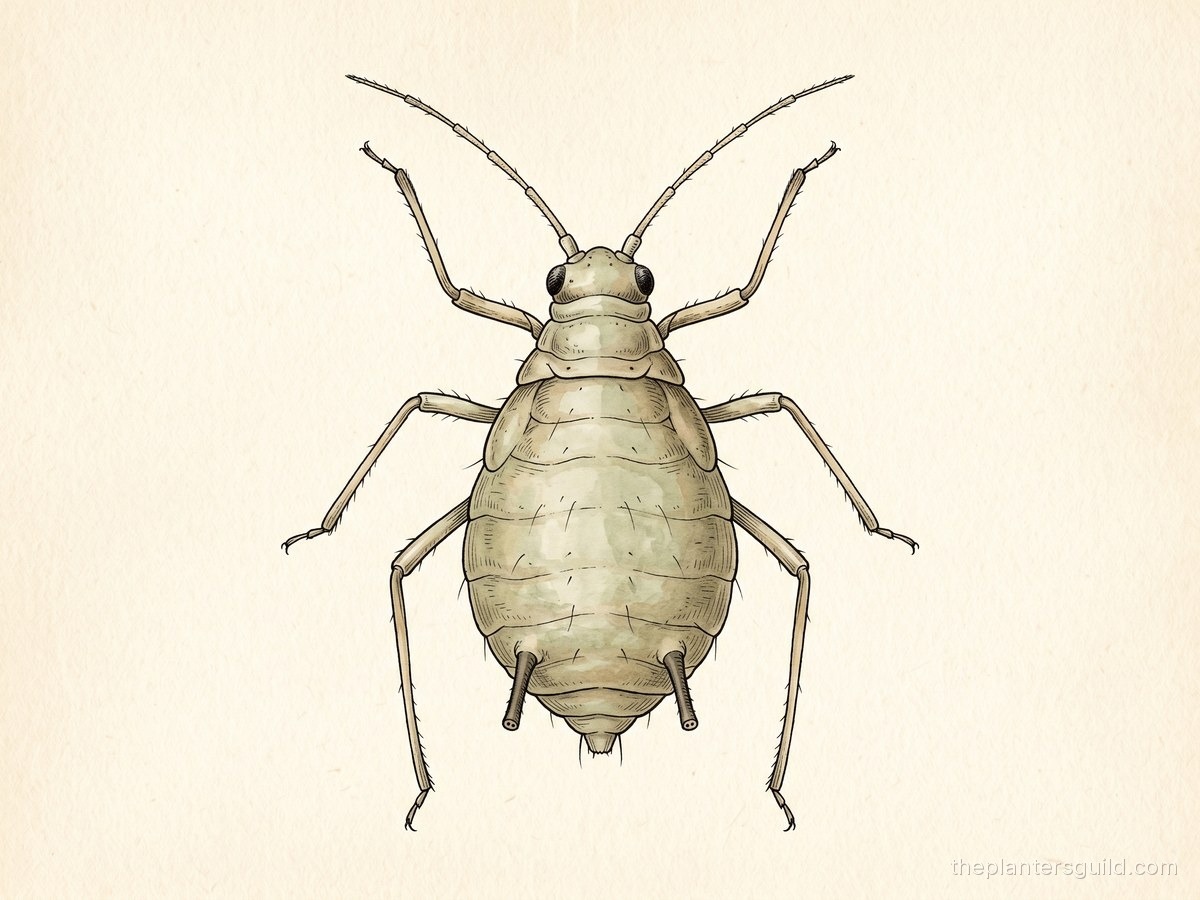
Aphids: Why a Clean Stem Is Crusted Green in a Week
July is when aphid populations turn from "a few I'll deal with later" into a colony you can see across the room.
Read the dossier →California Natives
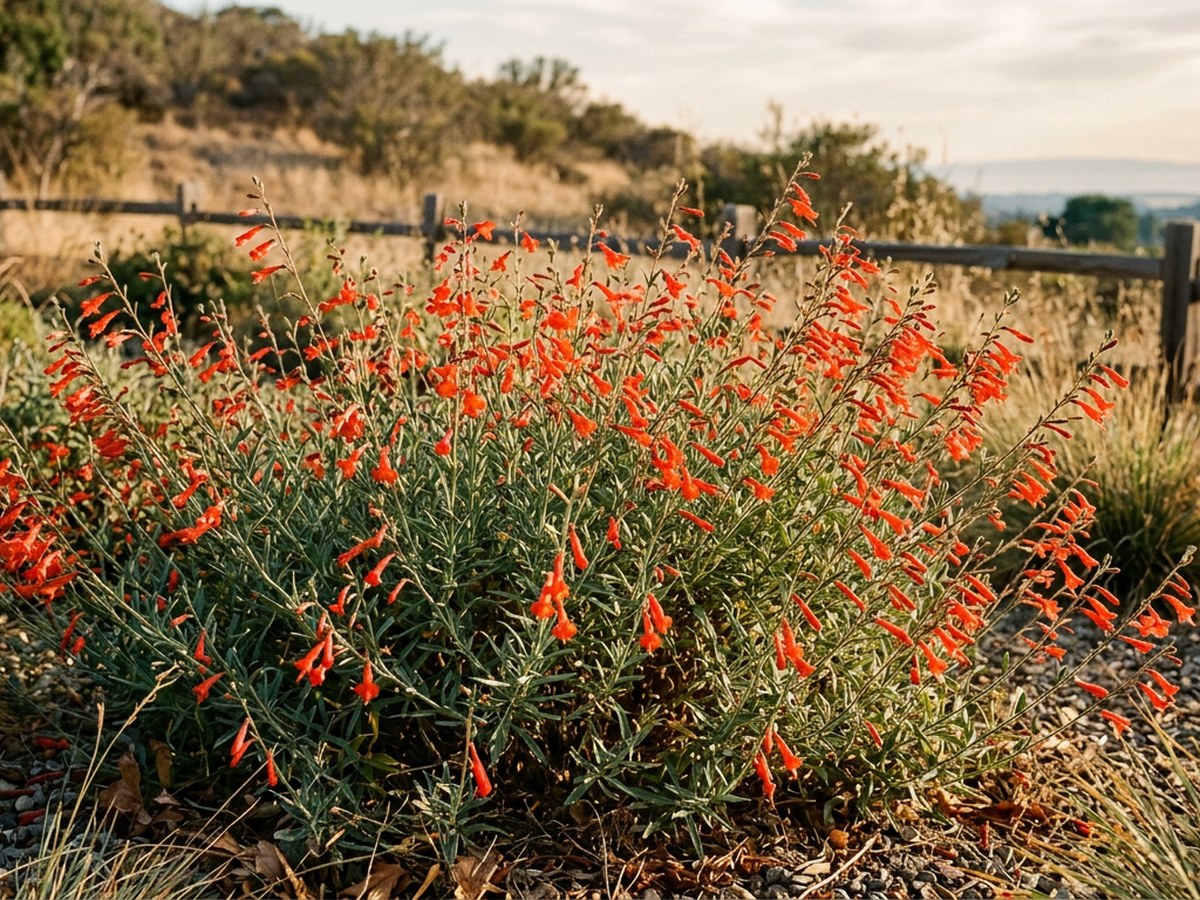
California Fuchsia (Epilobium canum)
The plant that keeps Bay Area gardens bright when most of your other natives are resting. Peak bloom July into October.
Read the entry →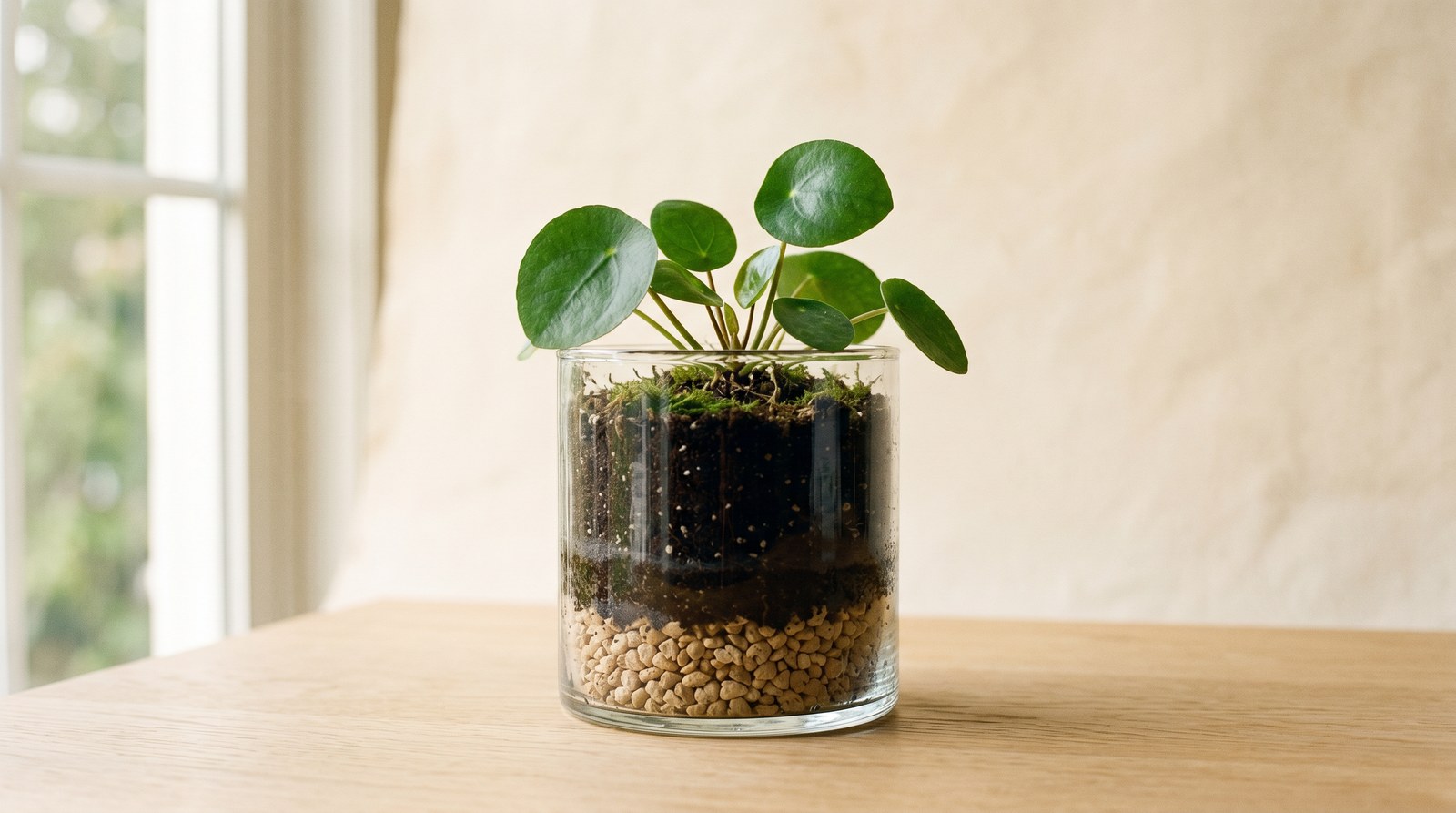
Myths
Do rocks at the bottom of pots improve drainage?
Short answer: no, and the physics explains why. The question I get more than any other from new growers.
Read the myth →Note added August 12, 2026. This issue is kept as it was sent. Since then we've revised that drainage-rocks entry: the first study to measure drainage layers in real flowerpots contradicted the mechanism we described, and the verdict is now "It's Complicated." The advice didn't change, the reasoning did. Read the correction.
Workshop notes
The Workshop opens this month with hand lenses for pest diagnosis. Six lenses showed up in late May and have been on the bench here for the past four weeks. The lineup covers what an actual reader sees searching "plant magnifier" on Amazon under $50:
- A generic 60X handheld with built-in UV and LED ($18.29)
- A Rongon 30X pocket loupe ($9.75)
- A JARLINK 30X/60X foldable illuminated loupe ($8.54)
- A 10X handheld marketed for "seniors and kids" ($4.98)
- A 1000X 4K pocket digital microscope marketed for children ages 4 to 12 ($49.99)
- A Carson LumiLoupe 10X stand magnifier with no built-in light, which relies on the room ($8.99)
The range from $5 to $50 is wide, and price doesn't always tell you what something is worth at the bench. So the question we're asking is straightforward: which of these actually resolves a thrips' wing fringe under typical room lighting in the early evening? Verdict in the August Workshop issue, with Winner, Best Buy, and Also Recommended.
Plate of the month
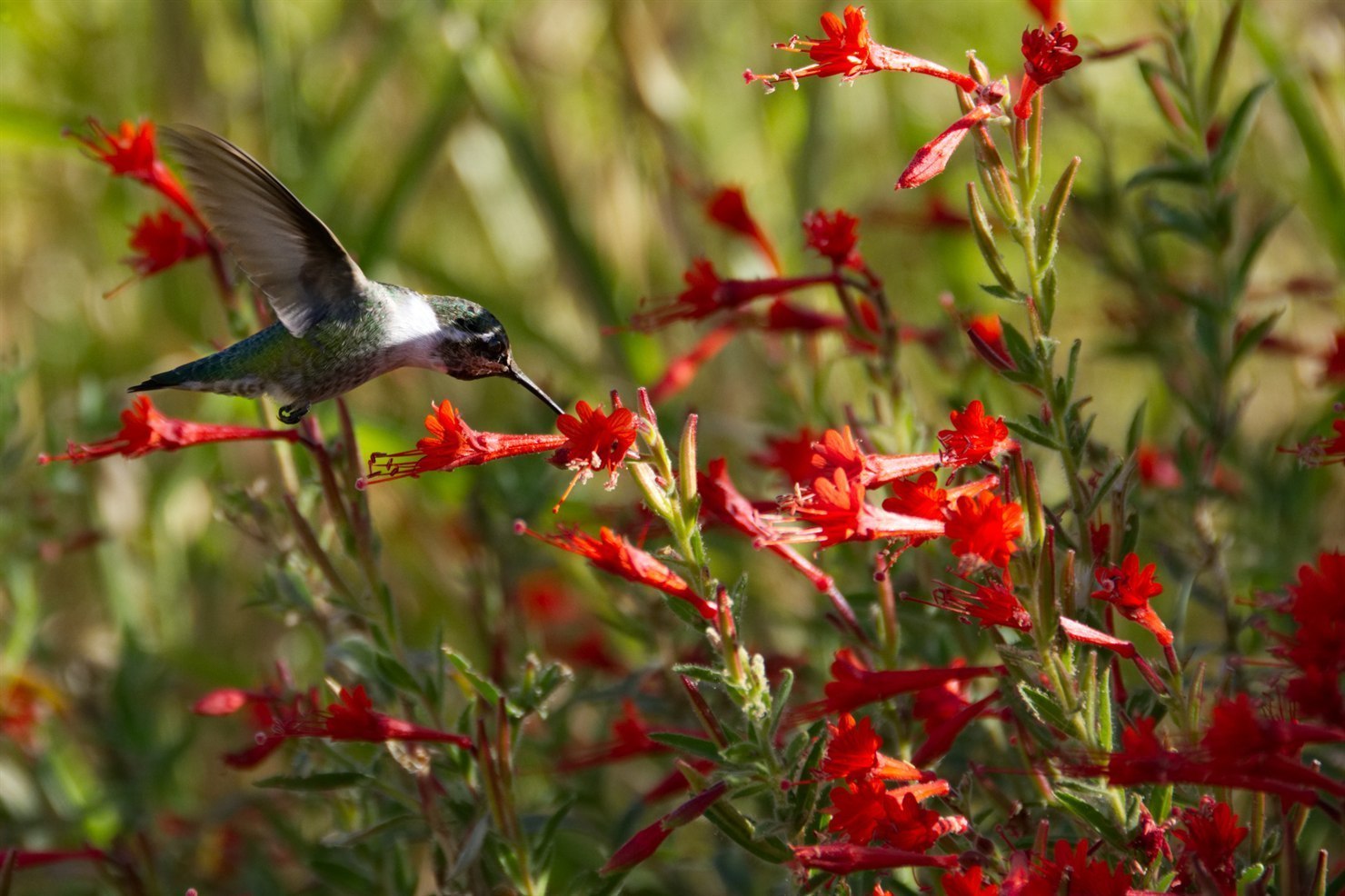
California fuchsia, Epilobium canum, in the first week of bloom — worked by an Anna's hummingbird.
Look at the shape of the flower. It's a slender red tube about an inch and a half long, with four notched petals at the opening and the stamens reaching just past them. The whole structure is built around a hummingbird's bill, which is why Anna's hummingbirds work this plant from July to October every year in the Bay Area. The flowers don't smell like anything. Pollination here is visual and structural, so there's no reason to bring your face close. Watch from six feet away and you'll see a hummingbird in the next ten minutes.
The foliage is doing real work too. Those silvery gray-green leaves cut heat load through reflectance, and the deep root system pulls moisture from soil that surface plants can't reach. That's why a California fuchsia can be the brightest thing in a garden in August while everything around it has gone brown.
If you've never had one and you want one, fall planting (October through December) gives the roots a winter of establishment before next summer's heat (CNPS, n.d.).
Know a gardener who'd want this? Send them this page.
Sources
California Native Plant Society. (n.d.). Gardening and horticulture: Restoring nature, one garden at a time. https://www.cnps.org/gardening
Saure, M. C. (2001). Blossom-end rot of tomato (Lycopersicon esculentum Mill.) — a calcium- or a stress-related disorder? Scientia Horticulturae, 90(3-4), 193-208. https://doi.org/10.1016/S0304-4238(01)00227-8